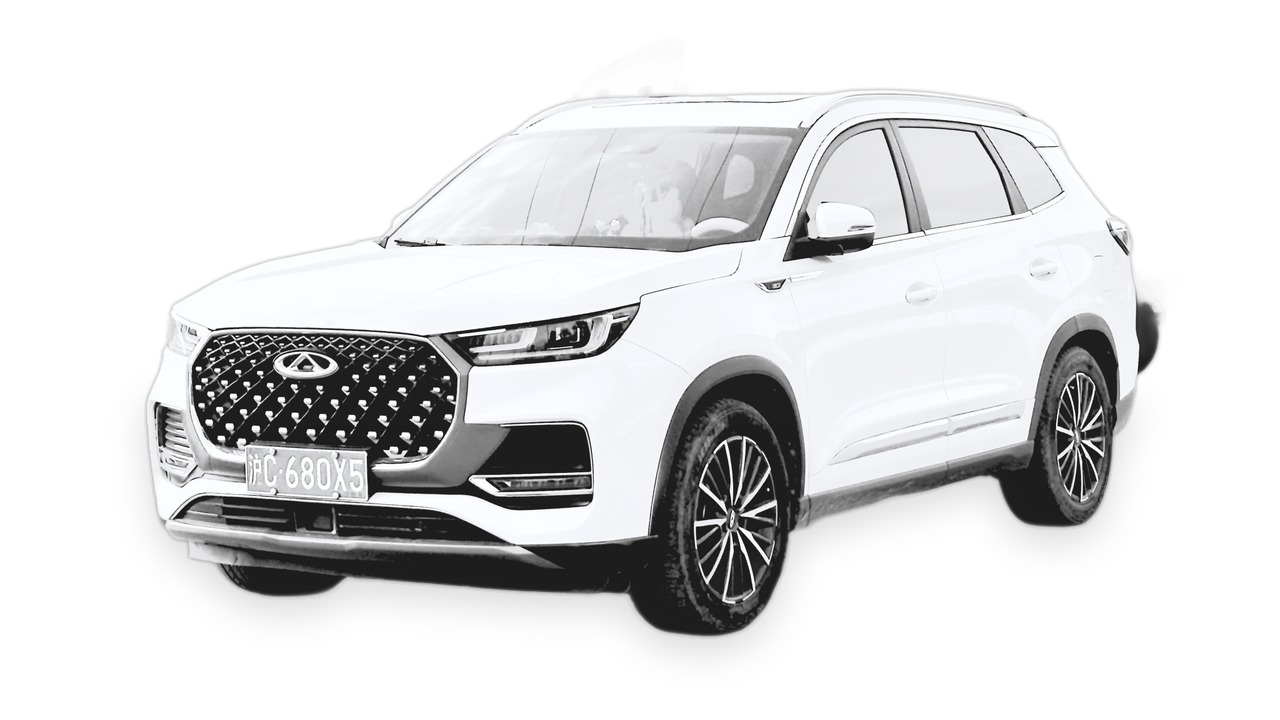
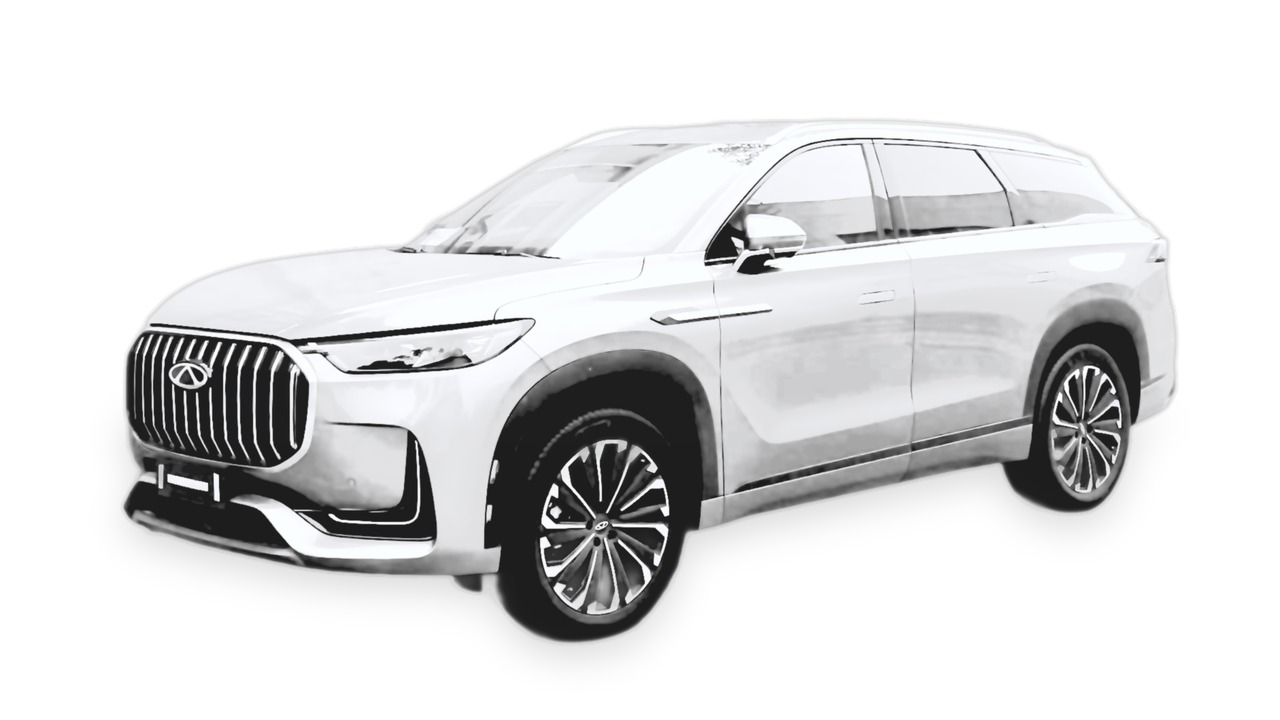
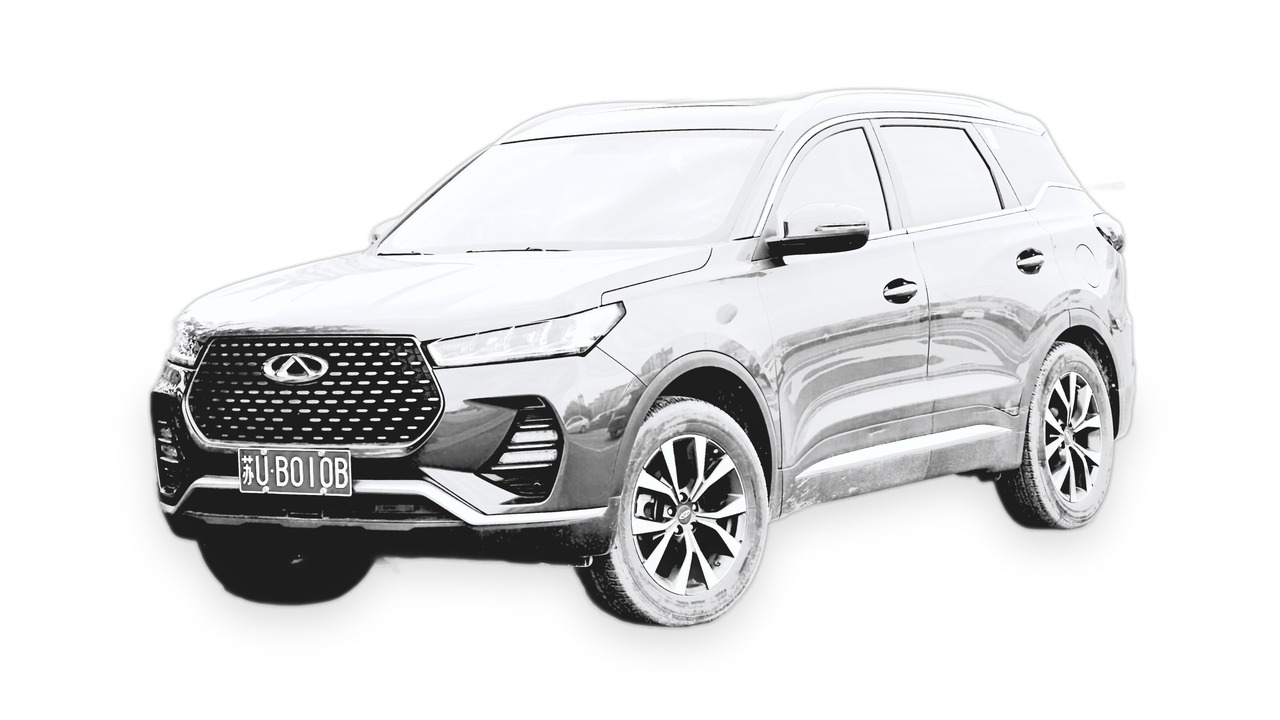
Chery’s staple small SUV for Australia will be updated in 2027, and the changes are significant.
The Chery Tiggo 4 has a new trick for the Australian market in 2027, and it includes the combination of turbocharged and hybrid power rolled into one offering.
This is something new for Chery, but it is something that we have already seen in the closely related Jaecoo J5 hybrid.
A 1.5-litre turbocharged petrol four-cylinder engine offers 105kW and 215Nm, joined by an electric motor that can dish out 150kW and 310Nm.
Combined outputs are 165kW and 295Nm, stout figures for a small SUV and all running through the front wheels only.
And Drive got a short sample drive of what to expect when the 2027 Chery Tiggo 4 Hybrid arrives in Australia.
Travelling to China gives you a great opportunity to sample a vehicle before it is released on Australian roads. But more often than not, such test drives can be incredibly short.
We normally might get a couple of hours behind the wheel of a car on a launch event, which is enough time for first impressions to coalesce.
This time, it’s different. And I need to caveat this review with the fact that the driving experience is very short.
We splashed our way through a sodden parking area of an amusement park in Wuhu, the home of Chinese automotive giant Chery.
Bright coloured waterslides were the only colour standing out against an opaque grey sky, and the rain was persistent.
Our guide pointed us towards an area with two Tiggo 4 small SUVs, with a small driving course laid out with witches hats. Acceleration, braking, one opportunity to twist the wheel, and a few bumps.
We got to go around three times, but only once behind the wheel. In terms of a chance to develop any nuanced driving impressions of a car, this is virtually impossible.

Chery’s Tiggo 4 has become a staple offering on the Australian new car market, offering a lot of bang for buck in that sub-$30,000 category.
The 2027 Tiggo brings some important changes, including the upgraded turbo-hybrid powertrain, tweaked exterior looks and an updated interior.
There could well be more changes to standard kit and other details, but those points are still to be confirmed for the Australian market.
Much of the Tiggo 4 is otherwise carryover, and that is a good thing. This has been a successful model in Australia, mostly due to the combination of size, space, features and value for money.
Through the very short test drive, we did get some worthwhile impressions.
The engine appeared to be a bit less thrashy than the naturally aspirated model, and provided a meaningful amount of acceleration. We were travelling with four adult males in the car, which is probably more weight than a Tiggo would usually encounter.
However, the turbo hybrid Tiggo 4 got out of the hole well, not spinning the front wheels as much as I would expect in the wet conditions.
The transmission behaved like a CVT, but Chery hasn’t made full details available, referring to it only as a ‘dedicated hybrid transmission’.
Steering seemed okay, and the car pulled up on the anchors with a tidy enough nature.
From the rear though, you could say there was a touch of firmness with our weight onboard.


On the inside, the Tiggo 4 gets an updated dashboard that improves the appearance and has the promise of better functionality. The glassy, angled control touch-panel for air conditioning has been replaced with something more physical. You can control the dual-zone climate control here, as well as fan speed.
Not doing this through the display is a win, and this style might have improved functionality when on the move.
Otherwise, the interior of the Tiggo 4 is mostly carryover. The seats aren’t the most comfortable you’ll come across, but look more upmarket than the price suggests.
The second row performs well in terms of overall space, and allows adults to have a bit of room. This mostly comes down to the size, with a 2604mm wheelbase and 4330mm overall length – along with boxy dimensions – affording good interior space. There’s also a pop-down armrest here, as well as a single air vent to fight over.


While we can’t really give a thorough review of the 2027 Tiggo 4 hybrid from such a short driving experience, a lot of what we already know will carry on with this updated model. The improved power and updated interior are good, but how the car performs in broader circumstances remains to be seen.
The promise of better fuel economy is always great, especially as fuel volatility is starting to feel like the norm.
However, there is still the question of a big bump in price of the hybrid over the non-hybrid model. While fuel savings are always good, the gulf in price needs to be overcome before owners go into the green (excuse the pun).
Pricing for this new hybrid Tiggo will be important, especially as the small electric car arms race continues to smoulder in Australia with a growing smattering of options.
This turbocharged Tiggo Hybrid could be a new top-line trim level, which could push the Tiggo 4 into a price bracket above the $32,990 drive-away price of the current most expensive model.
And while that might probably still feel like good value, a higher price does open this small SUV up against a wider and growing range of competition.
| Key details: 2027 Chery Tiggo 4 Hybrid | |
| Engine: | 1.5-litre four-cylinder turbo petrol hybrid |
| Power: | 105kW (petrol) 150kW (electric) 165kW (combined) |
| Torque | 215Nm (petrol) 310Nm (electric) 295Nm (combined) |
| Drive type | Front-wheel drive |
| Transmission | Dedicated hybrid Transmission (DHT) |
| Length | 4330mm |
| Width | 1830mm |
| Height | 1655mm |
| Wheelbase | 2604 mm |


The post 2027 Chery Tiggo 4 Hybrid Review: First drive appeared first on Drive.