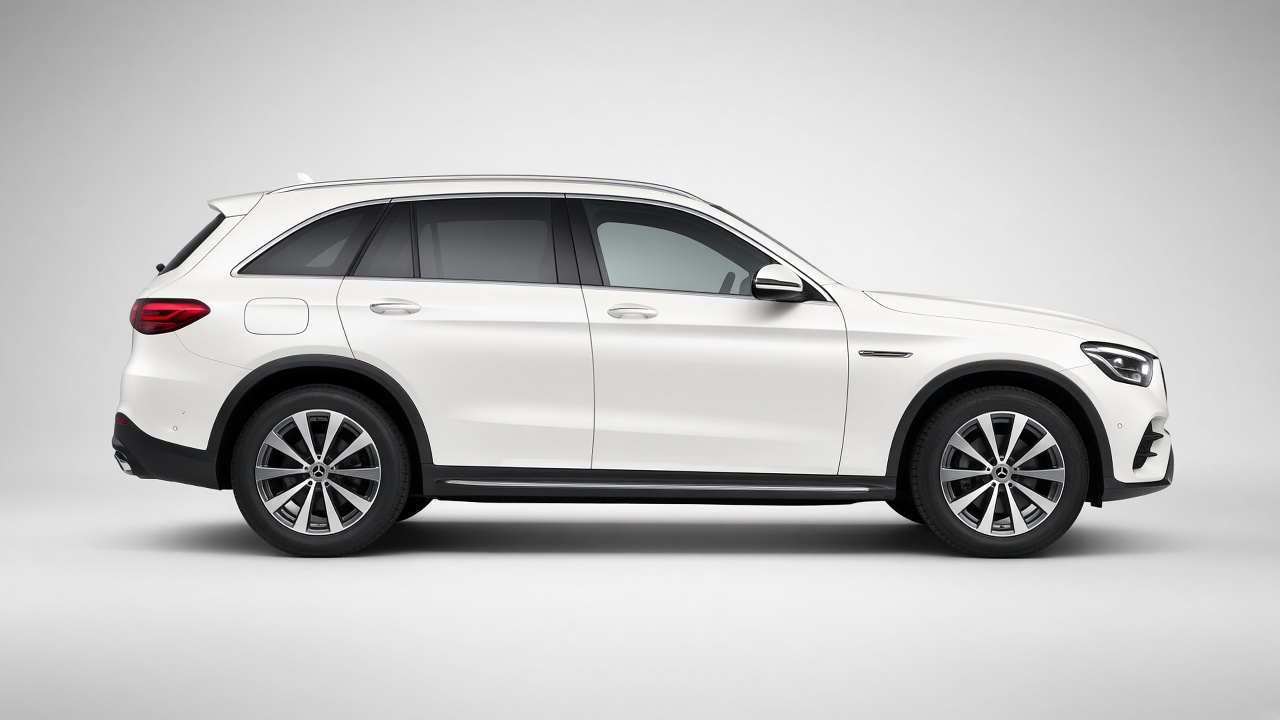
A new, more powerful version of the Mercedes-Benz GLB is due in European showrooms at the end of this year with technology no longer allowed in Formula One racing.
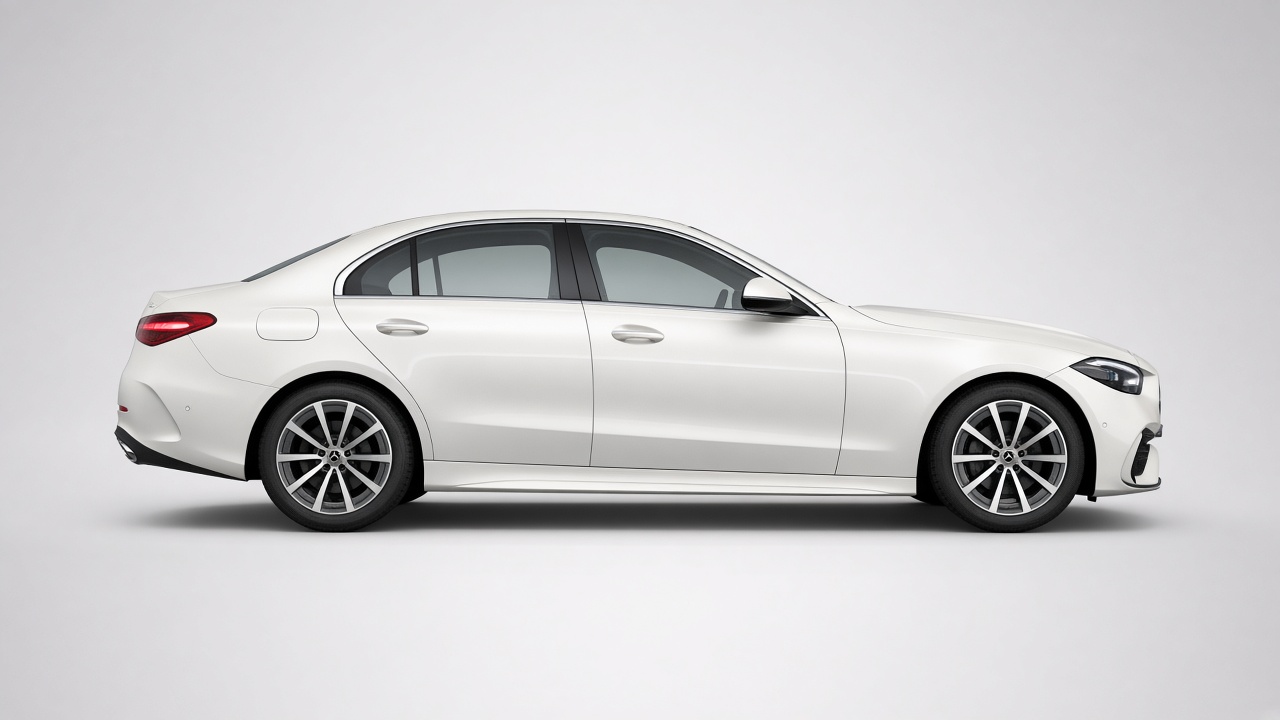
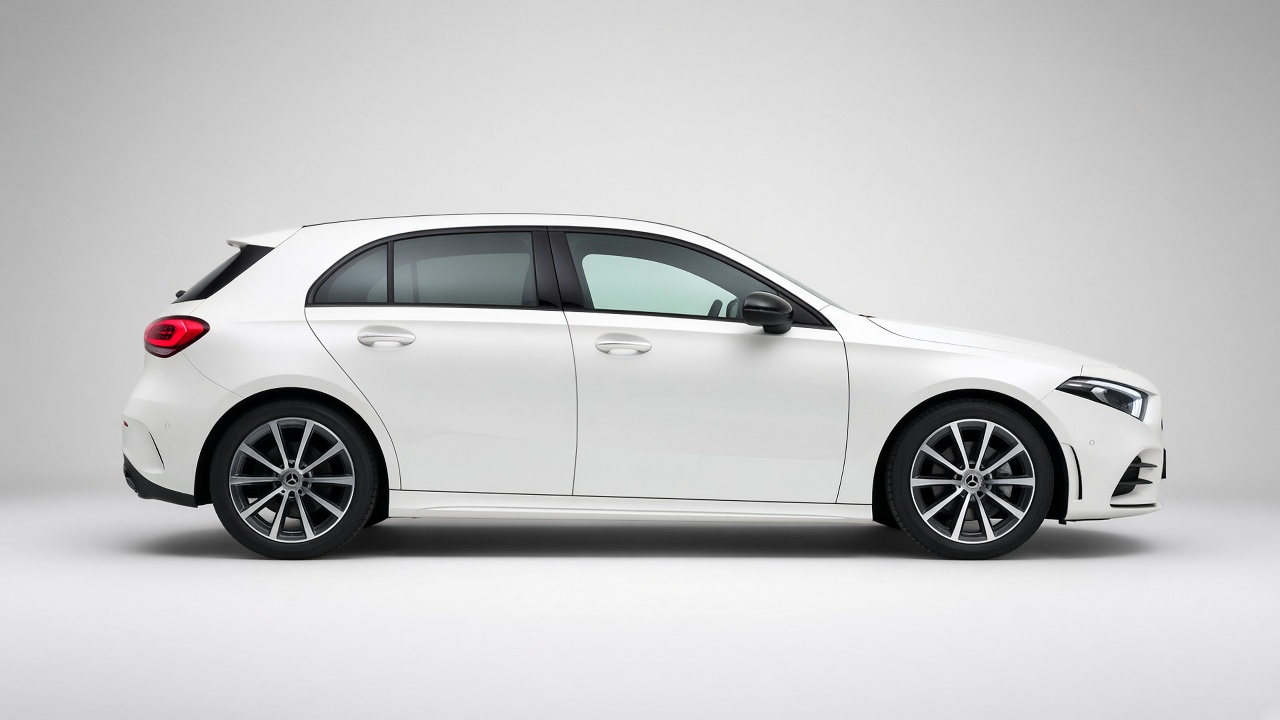
Mercedes-Benz has revealed the ‘M252 LS’, a more potent version of the 1.5-litre turbocharged four-cylinder petrol engine in the GLB and GLA SUVs, and CLA sedan and wagon.
It produces more power than the existing ‘M252’ engine in showrooms today, but adds a small electric motor to spin up the turbocharger and remove lag – in addition to the one already used to drive the wheels.
MORE: Mercedes-Benz to launch Tesla Full Self-Driving rival in Australia

The German car brand promises comparable performance to the 2.0-litre engine in the previous-generation GLB250, but 17 per cent lower fuel consumption that it says is on par with a diesel engine.
Plans for Australia are yet to be confirmed. The new engine is due on sale in Europe at the end of 2026, initially in a new variant of the GLB, badged GLB250.
In the current GLB, the 1.5-litre four-cylinder produces up to 140kW/300Nm, assisted by a 22kW electric motor powered by a small battery that is charged under braking, or using the engine.
The ‘LS’ variant fits a larger turbocharger to increase power and torque, now rated at 170kW and 320Nm.
MORE: Future Mercedes-Benz electric cars to look even more like petrol ones

However, it is augmented with a 5kW electric motor on the turbocharger shaft to spool it up – and increase boost pressure – when engine RPM would otherwise be insufficient.
Similar technology was used in Formula One until 2026, when it was cut from the regulations and no longer allowed.
“Small engine displacement, high boost – usually, it takes forever [to spool]. Everybody knows the turbo lag,” Nils Brinkert, electrified turbocharger engineer at Mercedes-Benz, told media.
“With this technology, there is no turbo lag because you can really input electrical energy into the turbocharger before you even hit the throttle, and increase the boost so that when you need boost, it’s already there.”
MORE: 2027 Mercedes-Benz GLB price and specs — new-generation seven-seat SUV cheaper than before

The German car giant draws parallels with Formula One cars prior to 2026, which used two electric motors: one (MGU-K) for assisting the engine and directly boosting power, and another (MGU-H) for spinning the turbocharger to reduce lag.
Energy is recuperated under braking, via the petrol engine, or, for the MGU-H, using exhaust gases to spin a turbine and charge a battery.
Combined with the 22kW electric motor, the new ‘LS’ engine produces 185kW and about 395Nm – beating the 165kW/350Nm of the previous-generation 2.0-litre GLB250.
Engineers say that using energy from the battery to spin up the turbocharger from a standing start, rather than only feeding it through the electric motor, multiplies its benefit.
MORE: 2027 Mercedes-Benz CLA Shooting Brake price and specs — wagon returns after hiatus

“Imagine you’re sitting at the crosslight standing, and you want to go as fast as possible. The battery can only do so much,” said Brinkert.
“Where do you put your electric energy? Do you put it into the transmission straight away, or would you put it into the boost system?
“Well, if you put energy in the boost system, let’s imagine 5kW … you end up having a multiplier, which is the gasoline. So 5kW times seven to 10, you end up having about 40kW of engine power.
“This multiplier, which is fuel, allows you to transfer way more energy into the driveshaft and therefore accelerate faster, because this was all about drivability and performance without compromising efficiency.”
MORE: 2026 Mercedes-Benz GLB350 4Matic electric — Australian first drive

Fuel consumption is claimed to be 17 per cent lower, though a precise figure has not been published. The current 140kW GLB220 lists 6.5L/100km under current test standards.
“We very often get the question, why not a diesel anymore? No need. The energy efficiency of that one here [M252 LS] is on diesel level,” Mercedes-Benz chief engineer of drive systems, Oliver Vollrath, told media.
“So why develop two engines if you can have both a very high-performance 170kW engine on a consumption basis of a diesel?”
The new engine has been developed to meet Euro 7 emissions standards, running the Miller cycle and ‘Lambda 1’ combustion to reduce tailpipe gases, and gains a balancer shaft to reduce vibration and harshness.
The post Mercedes-Benz GLB family SUV to score F1 turbo tech appeared first on Drive.