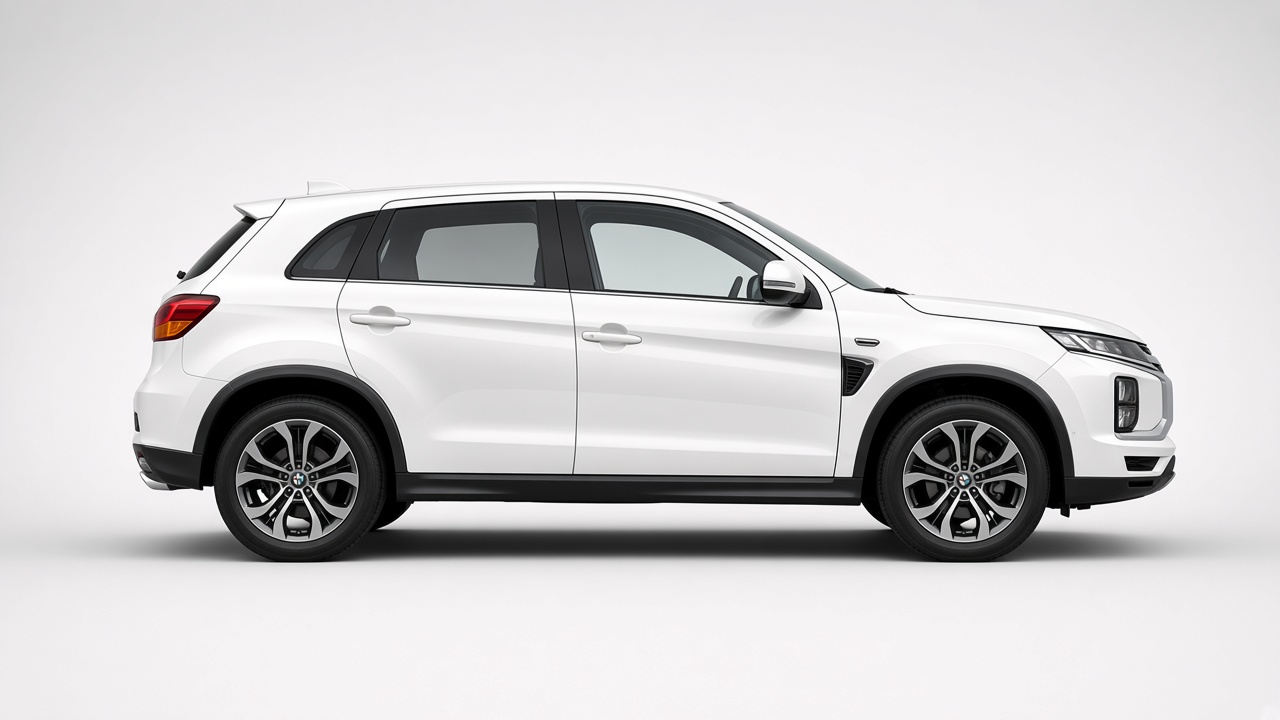
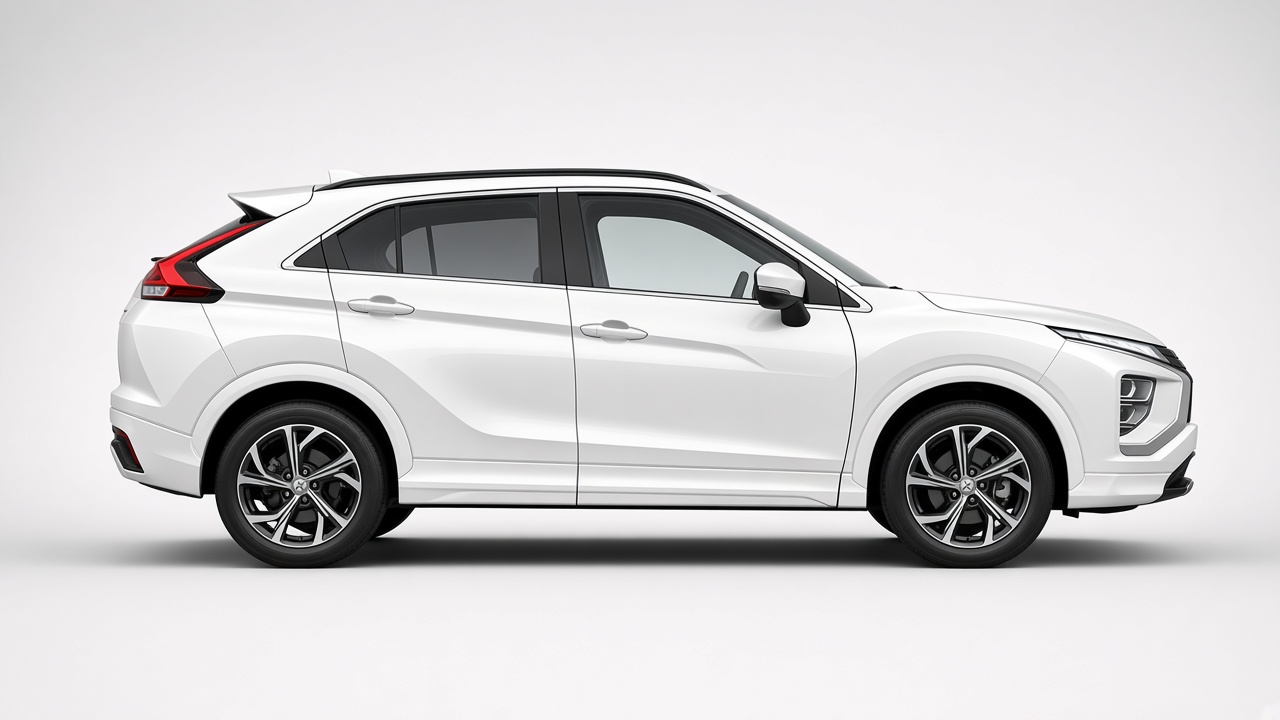
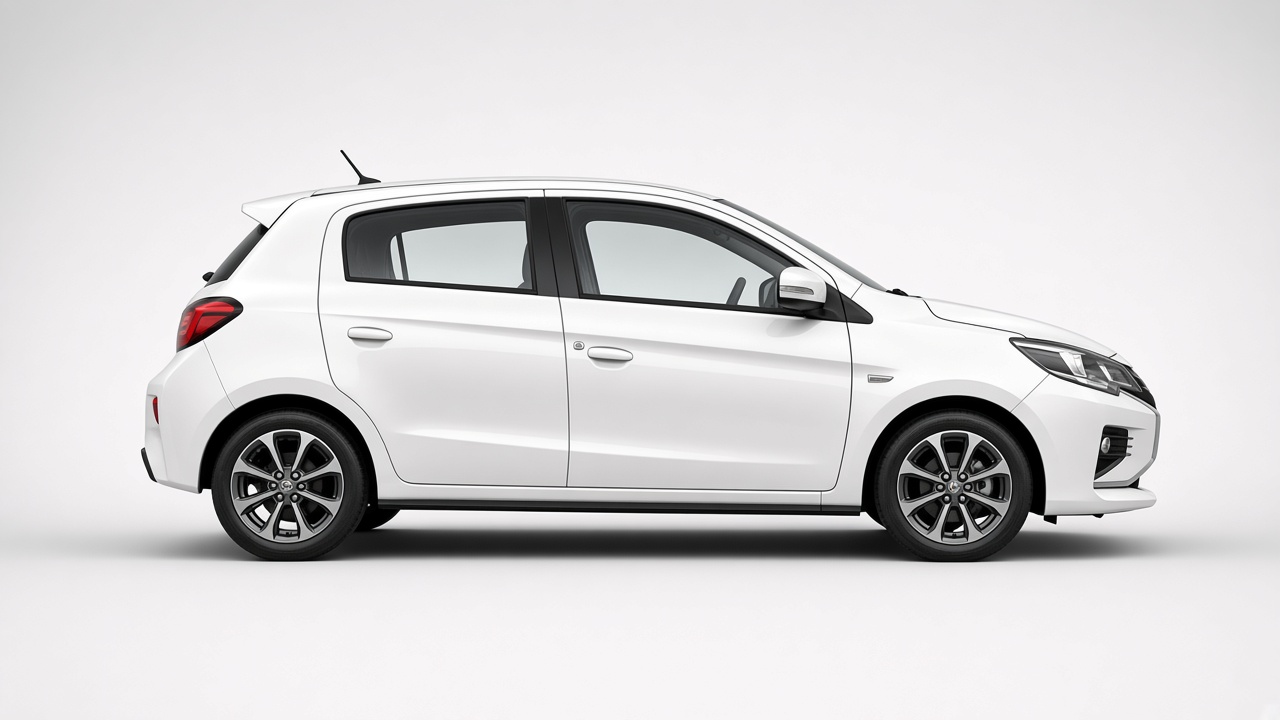
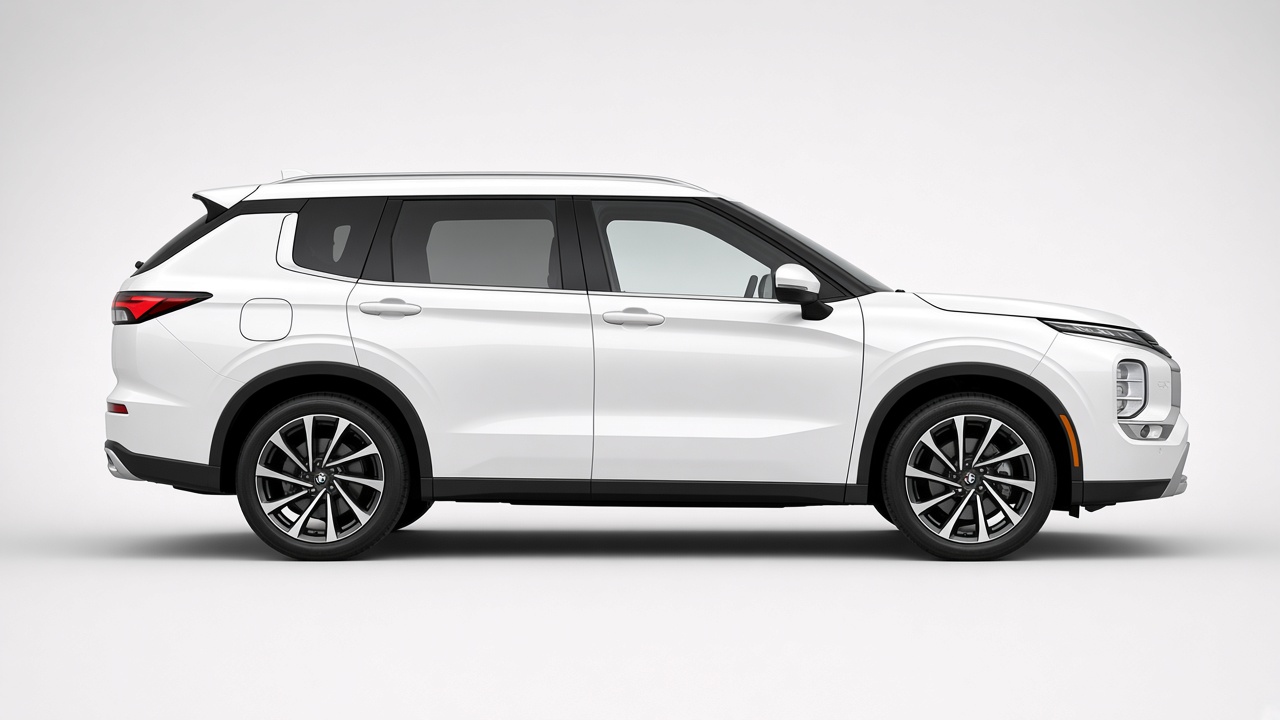
On paper, new car warranties that exceed the industry standard of five years are an attractive proposition for most buyers.
After all, it’s hard to say no to seven- or 10-year warranty coverage, offered by brands including MG, Mitsubishi, Nissan, Hyundai and Ford, just to name a few.
MORE: The car warranty myth following nearly five million Aussies
Though these brands offer standard five-year new car warranties, these extended coverages apply only under specific conditions, with some industry bodies calling out issues and citing anti-competitive practices and conditional requirements that confuse buyers and car owners.
For example, Nissan and Mitsubishi’s 10-year warranties only apply if a customer services their vehicles within the brand’s dealer network.
For Mitsubishi owners, its decade-long diamond warranty applies only if they service their vehicles at the specified intervals.
The warranty conditions are similar for Ford’s and Hyundai’s seven-year coverage, with both brands stating customers must service their vehicles through brand dealer networks to retain the extended warranty.
In MG’s case, the Chinese car maker’s advertised 10-year/250,000km warranty does not apply to vehicles used for commercial purposes. Additionally, the marque stipulates that servicing must be done within the specific time and kilometre window.
According to Australian Aftermarket Automotive Association (AAAA) chief executive Stuart Charity, the issue isn’t that car makers offer extended coverages; it’s the lack of transparency in their conditions and the strenuous claims process.
“We regularly hear concerns about the difficulties consumers experience when trying to have warranty claims honoured. The process can be complicated, frustrating, and, at times, unnecessarily adversarial,” Charity told Drive.
“They [consumers] discover that extended warranties don’t necessarily cover many of the costs associated with maintaining a vehicle. Normal servicing, tyres, brakes and other wear and tear generally remain the consumer’s responsibility.
“The bigger concern is that consumers may be paying more for servicing or travelling further than necessary because they mistakenly believe they have no alternative.”
MORE: Got questions? Ask a Drive expert (not an AI agent) here

The AAAA recently commissioned a national survey report and found that nearly five million Aussies believe the myth that their warranty will be voided if they don’t service their vehicles within the brand dealer network.
However, an ACCC spokesperson clarified that this myth isn’t true and consumers still have a legal right to have their vehicles serviced outside of brand dealers without jeopardising their warranty.
“Consumers do not lose their rights under the consumer guarantees simply because they choose to use an independent repairer to service or repair their vehicles,” the ACCC spokesperson told Drive.
“Consumer guarantees under the Australian Consumer Law apply automatically and are seperate from any warranty offered by a manufacturer or dealer.”
Further adding to consumer confusion is the fact that some consumers have been led to believe their warranty will be voided if they don’t use factory-backed replacement parts or components.
“One issue we continue to encounter is consumers being told that fitting an aftermarket accessory or using a non-genuine replacement part has voided their warranty. That’s not how Australian Consumer Law works,” Charity said.
“If an aftermarket [part] or accessory has actually caused a particular fault, that may affect who is responsible for rectifying that fault, but fitting an accessory doesn’t automatically invalidate that warranty on the entire vehicle.”
Additionally, Charity said some consumers have raised concerns surrounding what faults qualify as wear and tear.
“We see disputes about what constitutes normal wear and tear, whether a component failure is covered, and whether the manufacturer is prepared to accept responsibility,” he said.

“While conditional warranties can distort competition by creating uncertainty about the consequences of choosing an independent repairer, they don’t necessarily prevent consumers from eventually exercising that choice.
“What we object to is using that additional coverage as a mechanism to restrict competition and lock consumers into a particular servicing network. Consumers shouldn’t feel compelled to return to a dealership simply because they’re worried about losing warranty coverage.”
Though the industry body believes extended conditional warranties limit competition by convincing owners to stay within a brand’s servicing network and confuse consumers about their legal rights, an ACCC spokesperson said warranty issues are assessed on a case-by-case basis.
“The Competition and Consumer Act 2010 prohibits exclusive dealing where it has the purpose, effect or likely effect of substantially lessening competition. Whether particular conduct meets this threshold will depend on the specific facts and circumstances,” the ACCC spokesperson told Drive.
As reported by Drive in February 2026, the peak consumer rights agency said it is focusing on motor vehicle manufacturers as part of its compliance and enforcement priorities for 2026-27.
“Businesses must ensure that representations they make to consumers, including representations about warranties and any conditions that apply, are not false or misleading,” the ACCC spokesperson said.
The post ‘Paying more’: Why extended car warranties are lying to you appeared first on Drive.