
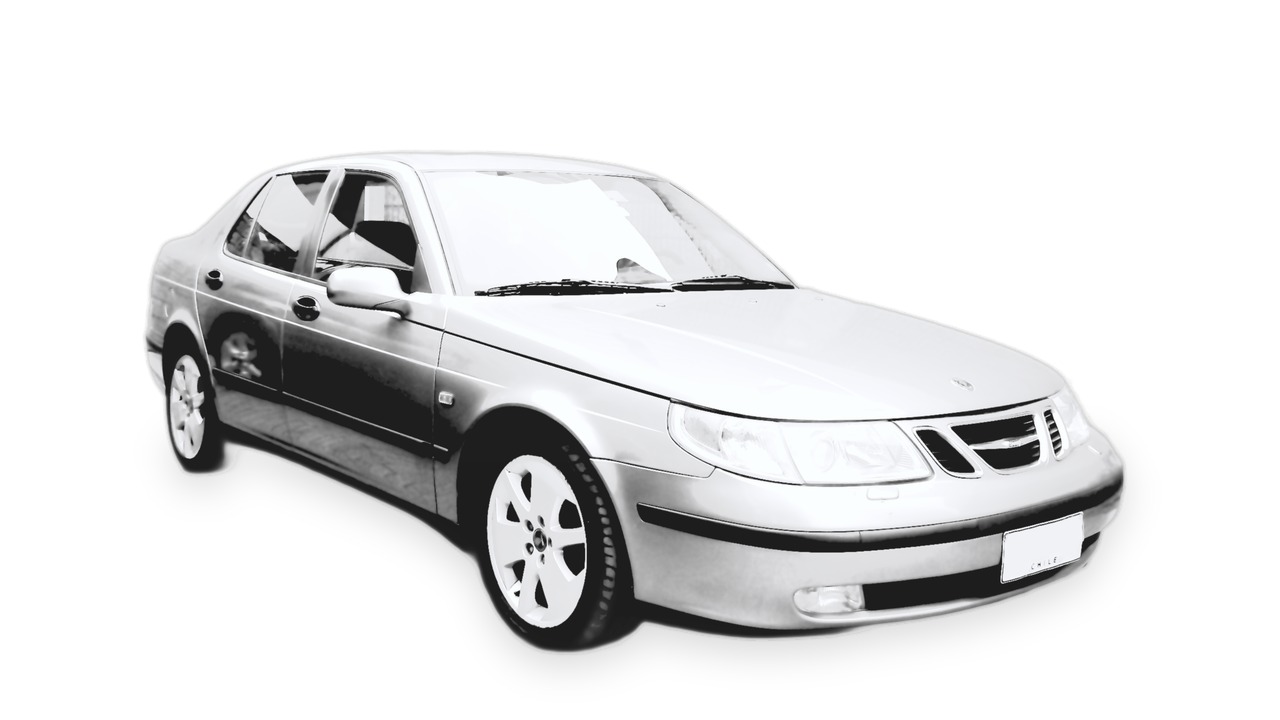
Saab 9-5 2010–2012
9-5 (2010)
—
9-5 (2010-2012) — Бензин, 179 hp. Data from vehicle-makes-models (ODbL).
Technical specifications
| Production years | 2010–2012 |
|---|---|
| Generation | 9-5 (2010) |
| Body type | Sedan |
| Fuel | Petrol |
| Engine | 1.6T 6MT FWD (180 HP) |
| Displacement | 1,6 l |
| Power | 179 hp |
| Power | 132 kW |
| Torque | 230 Nm |
| Gearbox | Manual |
| Gears | — |
| Drivetrain | FWD |
| 0-100 km/h | 9,5 s |
| Top speed | 220 km/h |
| Consumption (city) | — |
| Consumption (highway) | — |
| Consumption (combined) | 7,8 l/100km |
| CO₂ emissions | — |
| Length | 5 006 mm |
| Width | 1 867 mm |
| Height | 1 466 mm |
| Wheelbase | 2 837 mm |
| Weight | 1 595 kg |
| Trunk | — |
| Seats | 5 |
| Doors | 4 |
| Price | — |
Who Is This Car Best For?
Scores are calculated algorithmically from the technical data available for this exact specification. Missing fields are not filled with assumptions.
Saab 9-5 (2010–2012) is a sedan running on petrol. It belongs to the 9-5 (2010) generation. This assessment describes this exact specification from the published technical figures — 179 hp, 1.6 L displacement, manual transmission, front-wheel drive.
Family suitability scores 64/100 (average fit). The layout with 5 seats and 4 doors supports passenger-carrying use. A 2837 mm wheelbase hints at cabin proportions, but it is not a substitute for measured passenger space. No crash-test rating is stored, so safety is not inferred.
For urban use the score is 56/100 (average fit). Overall length of 5006 mm is a drawback in tight streets and car parks. Width at 1867 mm also shapes how compact the car feels in town. The manual gearbox asks more of the driver in dense traffic. Turning circle and parking-aid equipment are not in the database, so they are excluded.
Long-distance suitability cannot be scored with the incomplete highway-related figures available.
Dynamic performance scores 38/100 (limited fit). With 179 hp and 0–100 km/h in 9.5 s, this version shows a calmer character. Power-to-weight is about 112.2 hp/tonne at 1595 kg. Torque of 230 Nm supports mid-range response. Drive type (front-wheel) informs the chassis score without claiming a specific handling feel. Top speed is listed at 220 km/h.
Economy scores 45/100 (limited fit). Combined catalogue fuel use is 7.8 L/100 km. Official fuel economy is not guaranteed real-world use; the test cycle (e.g. WLTP) can differ from daily driving.
Day-to-day practicality scores 73/100 (good fit). Body style (sedan) sets the basic use profile. A 4-door layout is more of a compromise for frequent rear access. A manual gearbox offers control but asks more in traffic.
Strongest areas from the available data: daily practicality (73). Main compromises are economy (45), performance (38).
It suits owners who prioritise everyday usability and flexibility.
Bottom line: Saab 9-5 shows a balanced technical profile with an average around 55/100 across scored categories. Treat this as guidance built only from confirmed figures — match it against your real needs, a test drive and ownership costs.
Tires and pressure
Indicative values. Always check the door sticker / owner’s manual.
No tire data for this model yet.
Estimated monthly running costs
Estimates only — real costs depend on driving style, local prices and insurer.
Compare with other cars
Pairwise comparisons, ordered by closest specifications.
- Saab 9-5 vs Saab 9-3 Sport (2009–2012)
- Saab 9-5 vs Saab 9-3 SportCombi (2009–2012)
- Saab 9-5 vs Saab 9-3 (2009–2012)
- Saab 9-5 vs Saab 9-3 Aero (2014)
- Saab 9-5 vs Geely Emgrand EC7 (2009–2014)
- Saab 9-5 vs Saab 9-3X (2009–2012)
- Saab 9-5 vs Dodge Avenger (2010–2014)
- Saab 9-5 vs Lancia Flavia (2013–2015)
- Saab 9-5 vs Lancia Delta (2013–2014)
- Saab 9-5 vs Chrysler Town & Country (2007–2016)
- Saab 9-5 vs Chrysler Grand Voyager (2008–2015)
- Saab 9-5 vs Chrysler 200 (2014–2016)
- Saab 9-5 vs Infiniti QX30 (2015–2017)
- Saab 9-5 vs Lancia Musa (2003–2012)
- Saab 9-5 vs Geely MK (2006–2014)
- Saab 9-5 vs Dodge Journey (2014–2020)
- Saab 9-5 vs Vauxhall Crossland X (2017–2018)
- Saab 9-5 vs Vauxhall Meriva (2014–2017)
- Saab 9-5 vs Geely CK (2005–2016)
- Saab 9-5 vs Peugeot 508 1.6 PureTech (2019–2023)
- Saab 9-5 vs Lancia Voyager (2011–2015)
- Saab 9-5 vs Geely LC (2009–2017)
- Saab 9-5 vs Lincoln MKC (2014–2018)
- Saab 9-5 vs Vauxhall Astra (2021)
- Saab 9-5 vs Mercedes-Benz CLA 200 (2019–2023)
- Saab 9-5 vs Audi A4 35 TFSI (2019–2023)
- Saab 9-5 vs Škoda Octavia 1.5 TSI (2020–2024)
- Saab 9-5 vs Chery TIGGO 7 (2024)
- Saab 9-5 vs Chery TIGGO 8 (2025)
- Saab 9-5 vs Vauxhall Viva (2015–2019)
- Saab 9-5 vs Lotus 2 Eleven (2007–2015)
- Saab 9-5 vs Lancia Ypsilon (2021)
- Saab 9-5 vs BMW 218i Gran Coupe (2020–2024)
- Saab 9-5 vs Dacia Logan TCe 90 (2021–2024)
- Saab 9-5 vs Lincoln MKX (2015–2018)
- Saab 9-5 vs Vauxhall Corsa (2019–2023)
- Saab 9-5 vs Alpine A110S (2021)
- Saab 9-5 vs GMC Savana (2013)
- Saab 9-5 vs Lotus Elise (2010–2021)
- Saab 9-5 vs Lancia Thema (2011–2014)
- Saab 9-5 vs Vauxhall Mokka X (2016–2019)
- Saab 9-5 vs GMC Terrain (2024)
- Saab 9-5 vs BMW 320i (2019–2024)
- Saab 9-5 vs Mercedes-Benz C 180 (2021–2024)
- Saab 9-5 vs Cadillac CT4 (2019)
- Saab 9-5 vs Alfa Romeo Giulia 2.0 Turbo (2016–2024)
- Saab 9-5 vs Mercedes-Benz C 200 (2021–2024)
- Saab 9-5 vs BMW 318i (2019–2024)
- Saab 9-5 vs BMW 520i (2024)
- Saab 9-5 vs Infiniti Q50 (2018–2024)
- Saab 9-5 vs Infiniti Q60 (2018–2022)
- Saab 9-5 vs Lotus 3 Eleven (2018)
- Saab 9-5 vs Lincoln MKZ (2016–2020)
- Saab 9-5 vs McLaren Elva (2020)
- Saab 9-5 vs Lotus Exige (2012–2021)
- Saab 9-5 vs Bentley Continental (2007–2013)
- Saab 9-5 vs Vauxhall Insignia VXR (2012–2017)
- Saab 9-5 vs GMC Acadia (2019–2023)
- Saab 9-5 vs Dodge Viper (2012–2017)
- Saab 9-5 vs Lamborghini Gallardo (2012–2013)
- Saab 9-5 vs Bugatti La Voiture Noire (2019)
- Saab 9-5 vs Infiniti QX50 (2020)
- Saab 9-5 vs Cadillac CT5 (2023)
- Saab 9-5 vs Bentley Mulliner (2022–2023)
- Saab 9-5 vs Bentley Continental Flying Spur (2009–2013)
- Saab 9-5 vs Bentley Batur (2024)
- Saab 9-5 vs Genesis G70 2.0T (2021–2024)
- Saab 9-5 vs Lotus Evora (2019–2021)
- Saab 9-5 vs Infiniti QX55 (2021)
- Saab 9-5 vs Lincoln Corsair (2022)
- Saab 9-5 vs Lincoln Nautilus (2023)
- Saab 9-5 vs Ferrari 12Cilindri (2024)
- Saab 9-5 vs Dodge Durango (2020)
- Saab 9-5 vs Infiniti QX60 (2021–2025)
- Saab 9-5 vs Cadillac CT4-V (2019)
- Saab 9-5 vs Infiniti QX70 (2017–2019)
- Saab 9-5 vs Vauxhall Insignia VXR Sports Tourer (2010–2019)
- Saab 9-5 vs BMW 330i (2019–2024)
- Saab 9-5 vs Rolls-Royce Phantom (2012–2016)
- Saab 9-5 vs Audi A4 45 TFSI quattro (2019–2023)
- Saab 9-5 vs Infiniti QX65 (2026)
- Saab 9-5 vs Lincoln MKT (2012–2019)
- Saab 9-5 vs Lamborghini Veneno (2013–2014)
- Saab 9-5 vs Lincoln Continental (2016–2020)
- Saab 9-5 vs Chrysler Pacifica (2020–2025)
- Saab 9-5 vs Dodge Challenger SRT (2015–2023)
- Saab 9-5 vs GMC Yukon (2020)
- Saab 9-5 vs GMC Yukon XL (2020)
- Saab 9-5 vs Alpine A110 (2023)
- Saab 9-5 vs Genesis G80 2.5T (2020–2024)
- Saab 9-5 vs Dodge Challenger (2014–2023)
- Saab 9-5 vs GMC CANYON AT4 (2022)
- Saab 9-5 vs GMC CANYON AT4X (2022)
- Saab 9-5 vs Porsche Panamera 4 (2021–2024)
- Saab 9-5 vs Bugatti Veyron (2012–2015)
- Saab 9-5 vs Cadillac CT5-V (2024)
- Saab 9-5 vs Lotus Emira (2021–2024)
- Saab 9-5 vs Lamborghini Centenario (2016–2017)
- Saab 9-5 vs BMW M340i xDrive (2019–2024)
- Saab 9-5 vs Dodge Durango SRT (2020)
- Saab 9-5 vs Aston Martin Vantage (2020)
- Saab 9-5 vs Bentley Mulsanne (2016–2020)
- Saab 9-5 vs Lincoln Aviator (2024)
- Saab 9-5 vs GMC Sierra 1500 (2023–2026)
- Saab 9-5 vs Aston Martin DBX (2020)
- Saab 9-5 vs Bentley Bentayga (2020)
- Saab 9-5 vs Rolls-Royce Ghost (2020)
- Saab 9-5 vs Maserati Levante (2020)
- Saab 9-5 vs Maserati Quattroporte (2020)
- Saab 9-5 vs Lincoln Navigator (2017–2024)
- Saab 9-5 vs Lincoln Navigator L (2017–2024)
- Saab 9-5 vs Infiniti QX80 (2024)
- Saab 9-5 vs Maserati MC20 (2020)
- Saab 9-5 vs Chrysler 300 (2011–2023)
- Saab 9-5 vs Chrysler 300C (2022)
- Saab 9-5 vs McLaren 570S (2017–2021)
- Saab 9-5 vs Maserati GranTurismo (2022)
- Saab 9-5 vs Alfa Romeo Giulia Quadrifoglio (2016–2024)
- Saab 9-5 vs Aston Martin DB11 (2016–2023)
- Saab 9-5 vs Maserati Grecale Trofeo (2022)
- Saab 9-5 vs McLaren 765LT (2020)
- Saab 9-5 vs Rolls-Royce Dawn (2016–2023)
- Saab 9-5 vs Rolls-Royce La Rose Noire (2023)
- Saab 9-5 vs Ferrari Roma (2023)
- Saab 9-5 vs McLaren GT (2019–2023)
- Saab 9-5 vs Maserati MCPura (2025)
- Saab 9-5 vs Maserati MCPura Cielo (2025)
- Saab 9-5 vs Rolls-Royce Wraith (2013–2023)
- Saab 9-5 vs Bentley Bentayga Speed (2020–2025)
- Saab 9-5 vs McLaren GTS (2023)
- Saab 9-5 vs Ferrari Amalfi (2026)
- Saab 9-5 vs Lamborghini Huracan (2022)
- Saab 9-5 vs Maserati GT2 Stradale (2024)
- Saab 9-5 vs Aston Martin V8 Vantage (2024)
- Saab 9-5 vs Lamborghini Urus (2022)
- Saab 9-5 vs Aston Martin DB12 (2023)
- Saab 9-5 vs Aston Martin DB12 Volante (2023)
- Saab 9-5 vs Ferrari Daytona (2021)
- Saab 9-5 vs Cadillac Escalade (2024)
- Saab 9-5 vs Aston Martin V12 Vantage (2022)
- Saab 9-5 vs Dodge Charger SRT (2019–2023)
- Saab 9-5 vs McLaren 720S (2018–2023)
- Saab 9-5 vs Aston Martin DBS (2019–2024)
- Saab 9-5 vs Ferrari Purosangue (2022)
- Saab 9-5 vs Alpine A290 (2024)
- Saab 9-5 vs McLaren 750S (2023)
- Saab 9-5 vs Lamborghini Aventador (2022)
- Saab 9-5 vs GMC Hummer EV (2021)
- Saab 9-5 vs Bugatti Chiron (2020)
- Saab 9-5 vs Aston Martin Vanquish Volante (2025)
- Saab 9-5 vs XPeng G3 (2021)
- Saab 9-5 vs BMW 220d Gran Coupe (2020–2024)
- Saab 9-5 vs Bugatti Divo (2018–2021)
- Saab 9-5 vs Geely Galaxy (2023)
- Saab 9-5 vs Volvo S60 B4 (2020–2023)
- Saab 9-5 vs XPeng P5 (2021)
- Saab 9-5 vs Ford Puma ST (2020–2024)
- Saab 9-5 vs Hyundai i30 1.5 T-GDI (2020–2024)
- Saab 9-5 vs Kia Ceed 1.5 T-GDI (2018–2024)
- Saab 9-5 vs Kia XCeed 1.5 T-GDI (2019–2024)
- Saab 9-5 vs Audi A4 40 TDI (2019–2023)
- Saab 9-5 vs Audi A4 40 TDI (2024)
- Saab 9-5 vs Audi A6 40 TDI (2018–2023)
- Saab 9-5 vs Bugatti Brouillard (2025)
- Saab 9-5 vs Bugatti Centodieci (2019–2022)
- Saab 9-5 vs Bugatti Bolide (2022)
- Saab 9-5 vs Ford Kuga 1.5 EcoBoost (2020–2024)
- Saab 9-5 vs Hyundai Tucson 1.6 T-GDI (2021–2024)
- Saab 9-5 vs Kia Sportage 1.6 T-GDI (2022–2024)
- Saab 9-5 vs Škoda Superb 2.0 TDI (2019–2023)
- Saab 9-5 vs Volkswagen Arteon 2.0 TDI (2020–2023)
- Saab 9-5 vs Volkswagen Passat 2.0 TDI (2020–2023)
- Saab 9-5 vs Volkswagen Passat 2.0 TDI (2024)
- Saab 9-5 vs Lexus ES 300h (2019–2024)
- Saab 9-5 vs Toyota Camry 2.5 Hybrid (2024)
- Saab 9-5 vs Citroën C5 X Hybrid 225 (2021–2024)
- Saab 9-5 vs Peugeot 408 Hybrid 225 (2022–2024)
- Saab 9-5 vs Mitsubishi ASX 1.3 DIG-T (2023–2024)
- Saab 9-5 vs Nissan Qashqai 1.3 DIG-T (2021–2024)
- Saab 9-5 vs Nissan Qashqai 1.3 DIG-T (2021–2024)
- Saab 9-5 vs Omoda 7 (2026)
- Saab 9-5 vs Suzuki Swift Sport (2018–2023)
- Saab 9-5 vs Mini Cooper 1.5 (2014–2023)
- Saab 9-5 vs Vauxhall Grandland (2024)
- Saab 9-5 vs Citroën C5 Aircross PureTech (2018–2023)
- Saab 9-5 vs DS DS 4 PureTech 180 (2021–2024)
- Saab 9-5 vs DS DS 7 PureTech 180 (2018–2023)
- Saab 9-5 vs Dacia Duster TCe 130 (2024)
- Saab 9-5 vs Ford Focus 1.0 EcoBoost (2018–2024)
- Saab 9-5 vs Ford Focus 1.0 EcoBoost (2018–2024)
- Saab 9-5 vs Ford Puma 1.0 EcoBoost (2020–2024)
- Saab 9-5 vs Ford Puma 1.0 EcoBoost (2020–2024)
- Saab 9-5 vs Mini Clubman Cooper S (2015–2023)
- Saab 9-5 vs Mini Cooper S 2.0 (2014–2023)
- Saab 9-5 vs Mazda CX-30 2.0 (2019–2024)
- Saab 9-5 vs Mazda Mazda3 2.0 (2019–2024)
- Saab 9-5 vs Mazda CX-5 2.0 (2017–2024)
- Saab 9-5 vs Mazda CX-5 2.0 Skyactiv-G (2017–2024)
- Saab 9-5 vs Fiat 500X 1.0 (2019–2023)
- Saab 9-5 vs Hyundai Kona 1.0 T-GDI (2023–2024)
- Saab 9-5 vs Jeep Renegade 1.0 (2019–2023)
- Saab 9-5 vs Mercedes-Benz A 200 (2022–2024)
- Saab 9-5 vs Mercedes-Benz B 200 (2019–2024)
- Saab 9-5 vs Mercedes-Benz GLA 200 (2020–2024)
- Saab 9-5 vs SsangYong Korando 1.5 T-GDI (2019–2024)
- Saab 9-5 vs SsangYong Tivoli 1.5 T-GDI (2019–2024)
- Saab 9-5 vs SsangYong Torres 1.5 T-GDI (2023–2024)
- Saab 9-5 vs Volvo XC40 B3 (2022–2024)
- Saab 9-5 vs MG HS 1.5 T-GDI (2019–2024)
- Saab 9-5 vs Kia Proceed 1.5 T-GDI (2019–2024)
- Saab 9-5 vs Infiniti Q70 (2013–2018)
- Saab 9-5 vs Vauxhall Corsa GSE (2026)
- Saab 9-5 vs Nissan Juke 1.0 DIG-T (2019–2024)
- Saab 9-5 vs Škoda Superb 2.0 TSI (2024)
- Saab 9-5 vs Audi A1 30 TFSI (2019–2024)
- Saab 9-5 vs Audi A3 Sportback 30 TFSI (2020–2024)
- Saab 9-5 vs Citroën C3 Aircross PureTech (2017–2024)
- Saab 9-5 vs Dacia Jogger TCe 110 (2022–2024)
- Saab 9-5 vs Opel Crossland 1.2 Turbo (2017–2024)
- Saab 9-5 vs SEAT Arona 1.0 TSI (2017–2024)
- Saab 9-5 vs SEAT Leon 1.0 TSI (2020–2024)
- Saab 9-5 vs Škoda Kamiq 1.0 TSI (2019–2024)
- Saab 9-5 vs Škoda Scala 1.0 TSI (2019–2024)
- Saab 9-5 vs Volkswagen Golf 1.0 TSI (2020–2024)
- Saab 9-5 vs MG ZS 1.5 (2017–2023)
- Saab 9-5 vs Audi A3 Sportback 35 TFSI (2020–2024)
- Saab 9-5 vs Audi Q2 35 TFSI (2020–2024)
- Saab 9-5 vs Audi Q3 35 TFSI (2019–2024)
- Saab 9-5 vs Cupra Formentor 1.5 TSI (2020–2024)
- Saab 9-5 vs Cupra Formentor 1.5 TSI (2020–2024)
- Saab 9-5 vs Jeep Compass 1.3 (2017–2023)
- Saab 9-5 vs SEAT Ateca 1.5 TSI (2016–2024)
- Saab 9-5 vs SEAT Leon 1.5 TSI (2020–2024)
- Saab 9-5 vs SEAT Leon 1.5 TSI (2020–2024)
- Saab 9-5 vs Škoda Karoq 1.5 TSI (2018–2024)
- Saab 9-5 vs Škoda Scala 1.5 TSI (2019–2024)
- Saab 9-5 vs Volkswagen T-Roc 1.5 TSI (2018–2024)
- Saab 9-5 vs Volkswagen Tiguan 1.5 TSI (2021–2023)
- Saab 9-5 vs Fiat Tipo 1.0 (2016–2023)
- Saab 9-5 vs Fiat Tipo Cross 1.0 (2020–2024)
- Saab 9-5 vs Ford Fiesta 1.0 EcoBoost (2018–2023)
- Saab 9-5 vs Hyundai Bayon 1.0 T-GDI (2021–2024)
- Saab 9-5 vs Hyundai i20 1.0 T-GDI (2020–2024)
- Saab 9-5 vs Jeep Avenger 1.2 (2023–2024)
- Saab 9-5 vs Kia Rio 1.0 T-GDI (2017–2023)
- Saab 9-5 vs Kia Stonic 1.0 T-GDI (2017–2024)
- Saab 9-5 vs Opel Corsa 1.2 Turbo (2019–2024)
- Saab 9-5 vs Peugeot 208 1.2 PureTech (2019–2024)
- Saab 9-5 vs SEAT Ibiza 1.0 TSI (2017–2024)
- Saab 9-5 vs Škoda Fabia 1.0 TSI (2021–2024)
- Saab 9-5 vs Volkswagen Polo 1.0 TSI (2018–2024)
- Saab 9-5 vs Chevrolet Trax 1.2 Turbo (2023–2024)
- Saab 9-5 vs Nissan Micra 1.0 IG-T (2017–2022)
- Saab 9-5 vs BMW 118i (2020–2024)
- Saab 9-5 vs BMW X1 sDrive18i (2022–2024)
- Saab 9-5 vs Mercedes-Benz A 180 (2018–2022)
- Saab 9-5 vs Mini Countryman Cooper (2017–2023)
- Saab 9-5 vs Dacia Sandero Stepway TCe 90 (2021–2024)
- Saab 9-5 vs Dacia Sandero TCe 90 (2021–2024)
- Saab 9-5 vs Mazda Mazda2 1.5 (2015–2023)
- Saab 9-5 vs Renault Captur TCe 90 (2020–2024)
- Saab 9-5 vs Renault Clio TCe 90 (2019–2024)
- Saab 9-5 vs Chevrolet Spark 1.0 (2015–2020)
- Saab 9-5 vs Škoda Octavia RS 2.0 TSI (2020–2024)
- Saab 9-5 vs Volkswagen Golf GTI (2020–2024)
- Saab 9-5 vs Citroën C4 PureTech 130 (2020–2024)
- Saab 9-5 vs DS DS 3 PureTech 130 (2019–2024)
- Saab 9-5 vs Opel Astra 1.2 Turbo (2021–2024)
- Saab 9-5 vs Opel Astra 1.2 Turbo (2021–2024)
- Saab 9-5 vs Opel Grandland 1.2 Turbo (2017–2023)
- Saab 9-5 vs Opel Mokka 1.2 Turbo (2020–2024)
- Saab 9-5 vs Peugeot 2008 1.2 PureTech (2020–2024)
- Saab 9-5 vs Peugeot 208 PureTech 130 (2019–2024)
- Saab 9-5 vs Peugeot 308 1.2 PureTech (2021–2024)
- Saab 9-5 vs Peugeot 308 1.2 PureTech (2021–2024)
- Saab 9-5 vs Peugeot 5008 1.2 PureTech (2017–2023)
- Saab 9-5 vs Mazda MX-5 2.0 (2015–2024)
- Saab 9-5 vs Citroën C3 PureTech 83 (2020–2024)
- Saab 9-5 vs BMW 320d (2024)
- Saab 9-5 vs BMW 520d (2020–2023)
- Saab 9-5 vs Mercedes-Benz E 220d (2020–2023)
- Saab 9-5 vs Opel Corsa 1.2 (2019–2024)
- Saab 9-5 vs Toyota Aygo X 1.0 (2022–2024)
- Saab 9-5 vs Mitsubishi Space Star 1.2 (2020–2024)
- Saab 9-5 vs Mercedes-Benz C 220d (2024)
- Saab 9-5 vs Hyundai i10 1.0 (2020–2024)
- Saab 9-5 vs Kia Picanto 1.0 (2017–2024)
- Saab 9-5 vs SEAT Ibiza 1.0 TSI 110 (2017–2024)
- Saab 9-5 vs Škoda Fabia 1.0 TSI 110 (2021–2024)
- Saab 9-5 vs BMW 116i (2020–2024)
- Saab 9-5 vs McLaren Artura (2024)
- Saab 9-5 vs Hyundai Ioniq 6 Long Range (2022–2024)
- Saab 9-5 vs Lucid Motors Gravity (2023)
- Saab 9-5 vs Subaru Outback 2.5 (2021–2024)
- Saab 9-5 vs Toyota GR Yaris (2020–2024)
- Saab 9-5 vs BMW Z4 sDrive20i (2019–2024)
- Saab 9-5 vs Alfa Romeo Stelvio 2.0 Turbo (2017–2024)
- Saab 9-5 vs Land Rover Range Rover Evoque P200 (2019–2024)
- Saab 9-5 vs Maserati Ghibli (2020)
- Saab 9-5 vs Tesla Model 3 RWD (2021–2024)
- Saab 9-5 vs Mercedes-Benz GLC 200 (2022–2024)
- Saab 9-5 vs Škoda Kodiaq 2.0 TSI (2024)
- Saab 9-5 vs Škoda Kodiaq 2.0 TSI (2024)
- Saab 9-5 vs Volkswagen Tiguan 2.0 TSI 4Motion (2024)
- Saab 9-5 vs Volkswagen ID.7 Pro (2023–2024)
- Saab 9-5 vs XPeng G9 (2021)
- Saab 9-5 vs BMW 330e (2019–2024)
- Saab 9-5 vs BMW 530e (2020–2023)
- Saab 9-5 vs Dodge Hornet (2022)
- Saab 9-5 vs Mercedes-Benz EQE 350 (2022–2024)
- Saab 9-5 vs Maserati Grecale (2022)
- Saab 9-5 vs Audi A6 50 TFSI e (2020–2023)
- Saab 9-5 vs Cadillac Optiq (2023)
- Saab 9-5 vs Porsche 718 Cayman (2016–2024)
- Saab 9-5 vs BYD Seal (2023–2024)
- Saab 9-5 vs Mercedes-Benz C 300e (2021–2024)
- Saab 9-5 vs Mercedes-Benz E 300e (2024)
- Saab 9-5 vs BMW i4 eDrive40 (2021–2024)
- Saab 9-5 vs XPeng P7 (2020)
- Saab 9-5 vs Cadillac Lyriq (2022)
- Saab 9-5 vs NIO EC6 (2020)
- Saab 9-5 vs Rivian R1S (2021)
- Saab 9-5 vs Rivian R1T (2021)
- Saab 9-5 vs Audi TT 45 TFSI (2019–2023)
- Saab 9-5 vs Alpine A390 (2025)
- Saab 9-5 vs VinFast VF 8 (2022)
- Saab 9-5 vs VinFast VF 9 (2022)
- Saab 9-5 vs Porsche Taycan (2020–2024)
- Saab 9-5 vs NIO ES8 (2018–2020)
- Saab 9-5 vs Porsche Macan (2021–2024)
- Saab 9-5 vs Chery TIGGO 9 (2025)
- Saab 9-5 vs Zeekr X (2023)
- Saab 9-5 vs NIO ES6 (2018–2023)
- Saab 9-5 vs Jeep Wrangler Unlimited Sahara (2018–2024)
- Saab 9-5 vs Tesla Model 3 Long Range (2024)
- Saab 9-5 vs NIO ET7 (2020)
- Saab 9-5 vs XPeng G6 (2023)
- Saab 9-5 vs McLaren Speedtail (2018)
- Saab 9-5 vs Dodge Charger (2024)
- Saab 9-5 vs Tesla Model 3 Performance (2021–2024)
- Saab 9-5 vs Cupra Ateca VZ (2020–2024)
- Saab 9-5 vs Cupra Leon VZ 2.0 TSI (2020–2024)
- Saab 9-5 vs BYD Han (2022–2024)
- Saab 9-5 vs Bentley Continental GT (2026)
- Saab 9-5 vs Bentley Flying Spur (2026)
- Saab 9-5 vs Cadillac Optiq-V (2025)
- Saab 9-5 vs Genesis GV70 2.5T (2021–2024)
- Saab 9-5 vs Genesis GV80 2.5T (2020–2024)
- Saab 9-5 vs Porsche Taycan 4S (2020–2024)
- Saab 9-5 vs Lamborghini Sian (2020)
- Saab 9-5 vs Cupra Formentor VZ 2.0 TSI (2020–2024)
- Saab 9-5 vs Volkswagen Golf R (2021–2024)
- Saab 9-5 vs Rolls-Royce Spectre (2022)
- Saab 9-5 vs Bentley Continental GTC (2024)
- Saab 9-5 vs Lotus Eletre (2022)
- Saab 9-5 vs Lotus Emeya (2023)
- Saab 9-5 vs Cadillac Lyriq-V (2025)
- Saab 9-5 vs NIO EP9 (2016–2019)
- Saab 9-5 vs Zeekr 7GT (2026)
- Saab 9-5 vs Zeekr 7X (2024)
- Saab 9-5 vs Porsche Cayenne (2018–2023)
- Saab 9-5 vs Rivian R2 (2024)
- Saab 9-5 vs Ferrari 296 GTB (2022)
- Saab 9-5 vs Tesla Model S Long Range (2021–2024)
- Saab 9-5 vs Ferrari 296 Speciale (2025)
- Saab 9-5 vs Cadillac Escalade IQL (2025)
- Saab 9-5 vs Ferrari SF90 (2023)
- Saab 9-5 vs Lamborghini Temerario (2024)
- Saab 9-5 vs Porsche Macan S (2021–2024)
- Saab 9-5 vs Lamborghini Revuelto (2023)
- Saab 9-5 vs Ferrari Testarossa (2025)
- Saab 9-5 vs GMC Hummer EV SUV (2023)
- Saab 9-5 vs Porsche 911 Carrera (2019–2024)
- Saab 9-5 vs Lamborghini Fenomeno (2026)
- Saab 9-5 vs Lucid Motors Air (2021)
- Saab 9-5 vs Ferrari F80 (2024)
- Saab 9-5 vs Land Rover Defender 110 P400 (2020–2024)
- Saab 9-5 vs Zeekr 001 (2025)
- Saab 9-5 vs Aston Martin Valhalla (2022)
- Saab 9-5 vs Lotus Evija (2020)
- Saab 9-5 vs Bugatti Tourbillon (2024)
- Saab 9-5 vs Jaguar F-Type P450 (2020–2024)
- Saab 9-5 vs McLaren W1 (2026)
- Saab 9-5 vs Alfa Romeo Stelvio Quadrifoglio (2017–2024)
- Saab 9-5 vs Renault Trafic Passenger (2019–2024)
- Saab 9-5 vs Citroën SpaceTourer 2.0 BlueHDi (2016–2023)
- Saab 9-5 vs Opel Astra Hybrid (2022–2024)
- Saab 9-5 vs Peugeot 308 Hybrid 180 (2021–2024)
- Saab 9-5 vs Citroën Berlingo BlueHDi 130 (2018–2024)
- Saab 9-5 vs Ford Transit Custom 2.0 (2018–2023)
- Saab 9-5 vs Peugeot Rifter 1.5 BlueHDi (2018–2024)
- Saab 9-5 vs Toyota Proace City Verso 1.5 (2020–2024)
- Saab 9-5 vs Honda Civic 2.0 e:HEV (2022–2024)
- Saab 9-5 vs Honda Civic 2.0 e:HEV (2022–2024)
- Saab 9-5 vs Honda CR-V e:PHEV (2023–2024)
- Saab 9-5 vs Honda ZR-V 2.0 e:HEV (2023–2024)
- Saab 9-5 vs Lexus UX 250h (2019–2024)
- Saab 9-5 vs Mini Cooper E (2024)
- Saab 9-5 vs Suzuki S-Cross 1.4 Boosterjet (2022–2024)
- Saab 9-5 vs Suzuki Vitara 1.4 Boosterjet (2019–2024)
- Saab 9-5 vs Suzuki Vitara 1.4 Boosterjet (2019–2024)
- Saab 9-5 vs BMW 120d (2020–2024)
- Saab 9-5 vs Mercedes-Benz A 220d (2018–2024)
- Saab 9-5 vs Mercedes-Benz EQA 250 (2021–2024)
- Saab 9-5 vs Nissan Qashqai e-Power (2021–2024)
- Saab 9-5 vs SsangYong Korando e-Motion (2022–2024)
- Saab 9-5 vs MG MG3 Hybrid+ (2024)
- Saab 9-5 vs Ford Focus 1.5 EcoBlue (2018–2023)
- Saab 9-5 vs Toyota Corolla 2.0 Hybrid (2019–2024)
- Saab 9-5 vs Hyundai Nexo (2018–2024)
- Saab 9-5 vs Jaguar E-Pace D165 (2020–2023)
- Saab 9-5 vs Toyota C-HR 2.0 Hybrid (2023–2024)
- Saab 9-5 vs Volvo V60 B4 (2020–2024)
- Saab 9-5 vs Renault Austral E-Tech Full Hybrid (2022–2024)
- Saab 9-5 vs Renault Espace E-Tech (2023–2024)
- Saab 9-5 vs Renault Rafale E-Tech (2024)
- Saab 9-5 vs Alfa Romeo Tonale 1.5 Hybrid (2022–2024)
- Saab 9-5 vs Nissan Townstar Combi (2021–2024)
- Saab 9-5 vs Audi A5 Sportback 40 TDI (2020–2023)
- Saab 9-5 vs BYD Atto 3 (2022–2024)
- Saab 9-5 vs BYD Dolphin (2023–2024)
- Saab 9-5 vs Honda e:Ny1 (2023–2024)
- Saab 9-5 vs Kia Niro EV (2022–2024)
- Saab 9-5 vs Mini Countryman E (2024)
- Saab 9-5 vs Toyota bZ4X (2022–2024)
- Saab 9-5 vs Alfa Romeo Junior Elettrica (2024)
- Saab 9-5 vs DS DS 3 E-Tense (2019–2024)
- Saab 9-5 vs Fiat 600e (2023–2024)
- Saab 9-5 vs Jeep Avenger Electric (2023–2024)
- Saab 9-5 vs MG MG5 EV (2020–2023)
- Saab 9-5 vs MG ZS EV (2019–2023)
- Saab 9-5 vs Nissan X-Trail 1.5 e-Power (2022–2024)
- Saab 9-5 vs Audi A3 Sportback 35 TDI (2020–2024)
- Saab 9-5 vs Audi Q3 35 TDI (2019–2024)
- Saab 9-5 vs Cupra Leon 1.5 eTSI (2020–2024)
- Saab 9-5 vs Mazda Mazda3 2.0 e-Skyactiv (2019–2024)
- Saab 9-5 vs Mercedes-Benz GLB 200d (2019–2024)
- Saab 9-5 vs SEAT Leon Sportstourer 2.0 TDI (2020–2024)
- Saab 9-5 vs SEAT Tarraco 2.0 TDI (2018–2023)
- Saab 9-5 vs Škoda Karoq 2.0 TDI (2018–2024)
- Saab 9-5 vs Škoda Kodiaq 2.0 TDI (2017–2023)
- Saab 9-5 vs Škoda Octavia 2.0 TDI (2020–2024)
- Saab 9-5 vs Škoda Octavia 2.0 TDI (2020–2024)
- Saab 9-5 vs Volkswagen Golf 1.5 eTSI (2020–2024)
- Saab 9-5 vs Volkswagen Golf 1.5 eTSI (2020–2024)
- Saab 9-5 vs Volkswagen Golf 2.0 TDI (2020–2024)
- Saab 9-5 vs Volkswagen Multivan 2.0 TDI (2022–2024)
- Saab 9-5 vs Volkswagen Passat Variant 2.0 TDI (2024)
- Saab 9-5 vs Volkswagen T-Roc 2.0 TDI (2018–2024)
- Saab 9-5 vs Volkswagen Tiguan 2.0 TDI (2024)
- Saab 9-5 vs Volkswagen Tiguan 2.0 TDI (2024)
- Saab 9-5 vs Nissan Leaf e+ (2018–2023)
- Saab 9-5 vs BYD Seal U (2024)
- Saab 9-5 vs Hyundai Kona Electric (2023–2024)
- Saab 9-5 vs Renault Megane E-Tech (2022–2024)
- Saab 9-5 vs Renault Scenic E-Tech (2024)
- Saab 9-5 vs Mazda MX-30 (2020–2024)
- Saab 9-5 vs Mitsubishi ASX Hybrid (2023–2024)
- Saab 9-5 vs Renault Arkana E-Tech (2021–2024)
- Saab 9-5 vs Renault Captur E-Tech (2020–2024)
- Saab 9-5 vs Renault Clio E-Tech (2020–2024)
- Saab 9-5 vs DS DS 4 E-Tense 225 (2021–2024)
- Saab 9-5 vs Ford Kuga 2.5 PHEV (2020–2024)
- Saab 9-5 vs Opel Grandland Hybrid (2020–2023)
- Saab 9-5 vs Kia Niro Hybrid (2022–2024)
- Saab 9-5 vs Dacia Duster Hybrid 140 (2024)
- Saab 9-5 vs Dacia Jogger Hybrid 140 (2023–2024)
- Saab 9-5 vs Toyota Corolla 1.8 Hybrid (2019–2024)
- Saab 9-5 vs Toyota Corolla 1.8 Hybrid (2019–2024)
- Saab 9-5 vs Hyundai Tucson 1.6 T-GDI Hybrid (2021–2024)
- Saab 9-5 vs Hyundai Tucson 1.6 Hybrid (2021–2024)
- Saab 9-5 vs Kia Sportage 1.6 T-GDI Hybrid (2022–2024)
- Saab 9-5 vs Kia Sportage 1.6 Hybrid (2022–2024)
- Saab 9-5 vs Citroën C5 Aircross Hybrid (2022–2024)
- Saab 9-5 vs Citroën e-C4 (2020–2024)
- Saab 9-5 vs Opel Corsa-e (2020–2024)
- Saab 9-5 vs Opel Mokka-e (2020–2024)
- Saab 9-5 vs Peugeot 3008 Hybrid 136 (2024)
- Saab 9-5 vs Peugeot e-2008 (2020–2024)
- Saab 9-5 vs Peugeot e-208 (2019–2024)
- Saab 9-5 vs Nissan Ariya 87 kWh (2022–2024)
- Saab 9-5 vs Honda HR-V 1.5 e:HEV (2021–2024)
- Saab 9-5 vs Peugeot 3008 1.5 BlueHDi (2017–2023)
- Saab 9-5 vs Suzuki Ignis 1.2 Hybrid (2020–2024)
- Saab 9-5 vs Suzuki Swift 1.2 Hybrid (2017–2024)
- Saab 9-5 vs MG HS PHEV (2020–2024)
- Saab 9-5 vs Suzuki Swace 1.8 Hybrid (2020–2024)
- Saab 9-5 vs Toyota C-HR 1.8 Hybrid (2020–2023)
- Saab 9-5 vs Fiat 500e (2020–2024)
- Saab 9-5 vs Toyota Yaris 1.5 Hybrid (2020–2024)
- Saab 9-5 vs Toyota Yaris Cross Hybrid (2021–2024)
- Saab 9-5 vs Fiat 500 1.0 Hybrid (2020–2024)
- Saab 9-5 vs Fiat Panda 1.0 Hybrid (2020–2024)
- Saab 9-5 vs Honda Jazz 1.5 e:HEV (2020–2024)
- Saab 9-5 vs Škoda Enyaq iV 60 (2021–2023)
- Saab 9-5 vs Honda CR-V 2.0 e:HEV (2023–2024)
- Saab 9-5 vs Mazda CX-5 2.2 Diesel (2017–2023)
- Saab 9-5 vs Mazda CX-30 2.0 e-Skyactiv X (2019–2024)
- Saab 9-5 vs Mitsubishi Eclipse Cross PHEV (2021–2024)
- Saab 9-5 vs MG MG4 Standard (2022–2024)
- Saab 9-5 vs BMW X3 xDrive20d (2021–2024)
- Saab 9-5 vs BMW X1 xDrive20d (2022–2024)
- Saab 9-5 vs Land Rover Discovery Sport D165 (2020–2024)
- Saab 9-5 vs Mercedes-Benz GLC 220d (2022–2024)
- Saab 9-5 vs SsangYong Rexton 2.2 Diesel (2017–2024)
- Saab 9-5 vs Audi Q4 e-tron 40 (2021–2024)
- Saab 9-5 vs Audi Q5 40 TDI (2021–2024)
- Saab 9-5 vs Cupra Born 58 kWh (2021–2024)
- Saab 9-5 vs Genesis GV60 (2022–2024)
- Saab 9-5 vs Jaguar F-Pace D200 (2021–2024)
- Saab 9-5 vs Kia EV9 Long Range (2023–2024)
- Saab 9-5 vs Land Rover Velar D200 (2020–2023)
- Saab 9-5 vs MG MG4 Long Range (2022–2024)
- Saab 9-5 vs Toyota Land Cruiser 2.8 D-4D (2018–2023)
- Saab 9-5 vs Volkswagen ID.3 Pro (2020–2024)
- Saab 9-5 vs Dacia Spring Electric (2021–2024)
- Saab 9-5 vs Nissan X-Trail e-4ORCE (2022–2024)
- Saab 9-5 vs SEAT Ateca 2.0 TDI (2016–2024)
- Saab 9-5 vs Subaru Forester 2.0 e-Boxer (2019–2024)
- Saab 9-5 vs Subaru Impreza 2.0 e-Boxer (2020–2023)
- Saab 9-5 vs Subaru XV 2.0 e-Boxer (2018–2023)
- Saab 9-5 vs Hyundai Ioniq 5 Long Range (2021–2024)
- Saab 9-5 vs Hyundai Ioniq 5 Long Range (2021–2024)
- Saab 9-5 vs Subaru Solterra (2022–2024)
- Saab 9-5 vs Toyota RAV4 2.5 Hybrid (2019–2024)
- Saab 9-5 vs Toyota RAV4 2.5 Hybrid (2019–2024)
- Saab 9-5 vs Mini Countryman SE ALL4 (2017–2023)
- Saab 9-5 vs Mitsubishi Outlander PHEV (2019–2023)
- Saab 9-5 vs Mercedes-Benz EQB 300 4MATIC (2021–2024)
- Saab 9-5 vs Kia EV6 Long Range (2021–2024)
- Saab 9-5 vs Hyundai Santa Fe Hybrid (2021–2023)
- Saab 9-5 vs Kia Sorento 1.6 Hybrid (2021–2024)
- Saab 9-5 vs Audi Q7 45 TDI (2019–2023)
- Saab 9-5 vs Volvo XC40 Recharge (2021–2024)
- Saab 9-5 vs Jeep Compass 4xe (2020–2024)
- Saab 9-5 vs Jeep Renegade 4xe (2020–2024)
- Saab 9-5 vs Lexus NX 350h (2021–2024)
- Saab 9-5 vs Toyota Highlander Hybrid (2021–2024)
- Saab 9-5 vs Suzuki Vitara 1.4 AllGrip (2019–2024)
- Saab 9-5 vs Land Rover Defender 90 D250 (2020–2024)
- Saab 9-5 vs Lexus RX 350h (2022–2024)
- Saab 9-5 vs Volvo XC60 B5 (2021–2024)
- Saab 9-5 vs Volvo XC90 B5 (2020–2024)
- Saab 9-5 vs Hyundai Tucson PHEV (2021–2024)
- Saab 9-5 vs Ford Mustang Mach-E RWD (2021–2024)
- Saab 9-5 vs Mercedes-Benz GLE 300d (2019–2023)
- Saab 9-5 vs Polestar Polestar 4 Long Range Single (2024)
- Saab 9-5 vs Smart smart #1 Premium (2022–2024)
- Saab 9-5 vs Smart smart #1 Pro+ (2022–2024)
- Saab 9-5 vs Smart smart #3 Premium (2023–2024)
- Saab 9-5 vs Volvo EX30 Single Motor (2024)
- Saab 9-5 vs Alfa Romeo Tonale Plug-In Q4 (2022–2024)
- Saab 9-5 vs Audi Q8 50 TDI (2019–2023)
- Saab 9-5 vs BMW X5 xDrive30d (2019–2023)
- Saab 9-5 vs Škoda Enyaq iV 85 (2023–2024)
- Saab 9-5 vs Volkswagen ID.4 Pro (2021–2024)
- Saab 9-5 vs Volkswagen Touareg 3.0 TDI (2018–2023)
- Saab 9-5 vs MG Marvel R (2021–2023)
- Saab 9-5 vs BMW X3 xDrive30e (2021–2024)
- Saab 9-5 vs Audi Q5 50 TFSI e (2021–2024)
- Saab 9-5 vs Polestar Polestar 2 Long Range Single (2020–2024)
- Saab 9-5 vs Tesla Model Y RWD (2021–2024)
- Saab 9-5 vs Volkswagen ID.5 GTX (2022–2024)
- Saab 9-5 vs Land Rover Range Rover Sport D300 (2022–2024)
- Saab 9-5 vs Nissan Ariya e-4ORCE (2022–2024)
- Saab 9-5 vs Suzuki Across PHEV (2020–2024)
- Saab 9-5 vs Toyota RAV4 PHEV (2021–2024)
- Saab 9-5 vs Jaguar E-Pace P300e (2020–2023)
- Saab 9-5 vs Land Rover Discovery Sport P300e (2020–2024)
- Saab 9-5 vs Lexus NX 450h+ (2021–2024)
- Saab 9-5 vs Lexus RX 450h+ (2022–2024)
- Saab 9-5 vs BMW iX1 xDrive30 (2022–2024)
- Saab 9-5 vs Lexus RZ 450e (2023–2024)
- Saab 9-5 vs Hyundai Ioniq 5 AWD (2021–2024)
- Saab 9-5 vs BMW iX xDrive40 (2021–2024)
- Saab 9-5 vs Mazda CX-60 2.5 e-Skyactiv PHEV (2022–2024)
- Saab 9-5 vs Mercedes-Benz GLS 400d (2019–2023)
- Saab 9-5 vs Cupra Tavascan VZ (2024)
- Saab 9-5 vs Volvo XC60 T6 Recharge (2021–2024)
- Saab 9-5 vs DS DS 7 E-Tense 4x4 360 (2022–2024)
- Saab 9-5 vs Porsche Macan Electric (2024)
- Saab 9-5 vs Jeep Grand Cherokee 4xe (2022–2024)
- Saab 9-5 vs Audi Q6 e-tron (2024)
- Saab 9-5 vs Jaguar I-Pace EV400 (2018–2024)
- Saab 9-5 vs Jaguar F-Pace P400e (2021–2024)
- Saab 9-5 vs Audi e-tron 55 (2019–2022)
- Saab 9-5 vs Volvo C40 Recharge (2021–2024)
- Saab 9-5 vs Volvo EX90 Twin Motor (2024)
- Saab 9-5 vs Polestar Polestar 2 Long Range Dual (2020–2024)
- Saab 9-5 vs Smart smart #1 Brabus (2022–2024)
- Saab 9-5 vs Land Rover Range Rover P440e (2022–2024)
- Saab 9-5 vs Volvo XC90 T8 Recharge (2020–2024)
- Saab 9-5 vs Ford Explorer 3.0 PHEV (2020–2023)
- Saab 9-5 vs Porsche Cayenne E-Hybrid (2018–2023)
- Saab 9-5 vs Polestar Polestar 3 Long Range Dual (2024)
- Saab 9-5 vs BMW X5 xDrive50e (2023–2024)
- Saab 9-5 vs Genesis Electrified GV70 (2022–2024)
- Saab 9-5 vs MG Cyberster (2024)
- Saab 9-5 vs Tesla Model Y Long Range (2021–2024)
- Saab 9-5 vs BYD Tang (2022–2024)
- Saab 9-5 vs Tesla Model Y Performance (2021–2024)
- Saab 9-5 vs Kia EV6 GT (2022–2024)
- Saab 9-5 vs Tesla Model X Long Range (2021–2024)