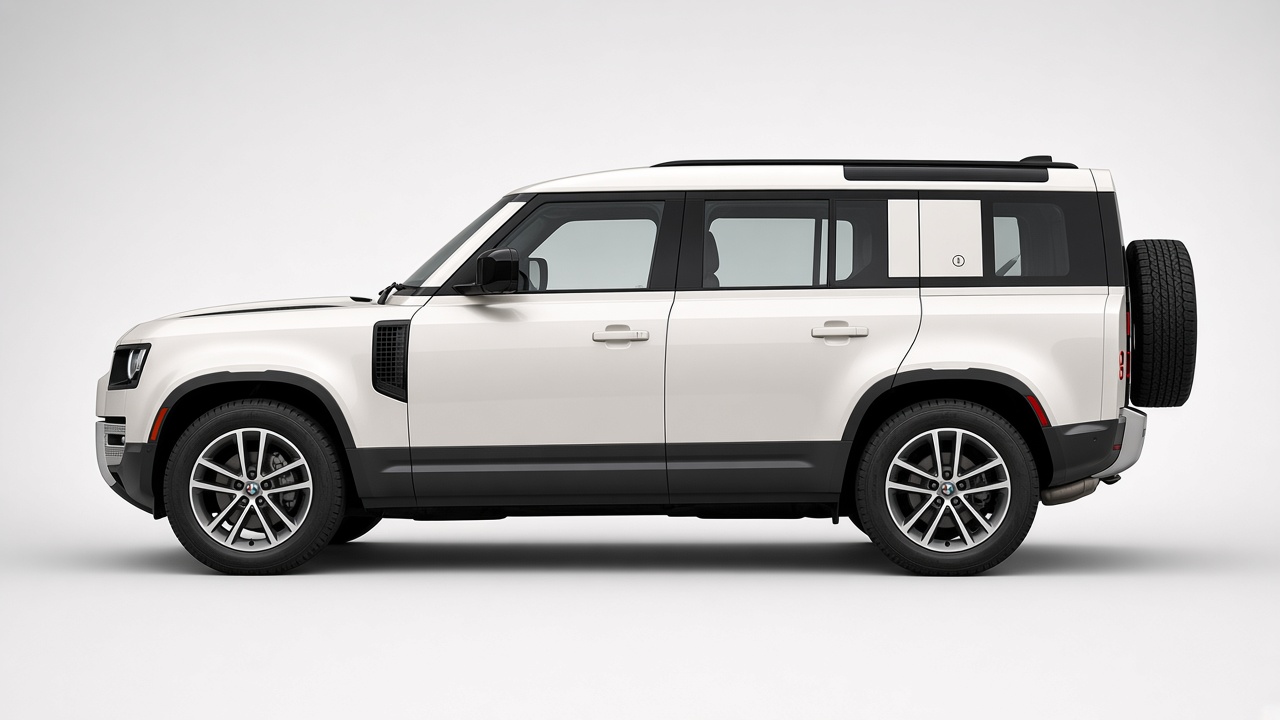
2027 Freelander 8 PHEV
Sometimes, it’s better when carmakers play to their strengths.
And when you’ve got the opportunity for collaboration – something very common these days – brands have the opportunity to do just this.
Yet another brand from the sprawling Chinese Chery automotive empire, Freelander aims to do just that.
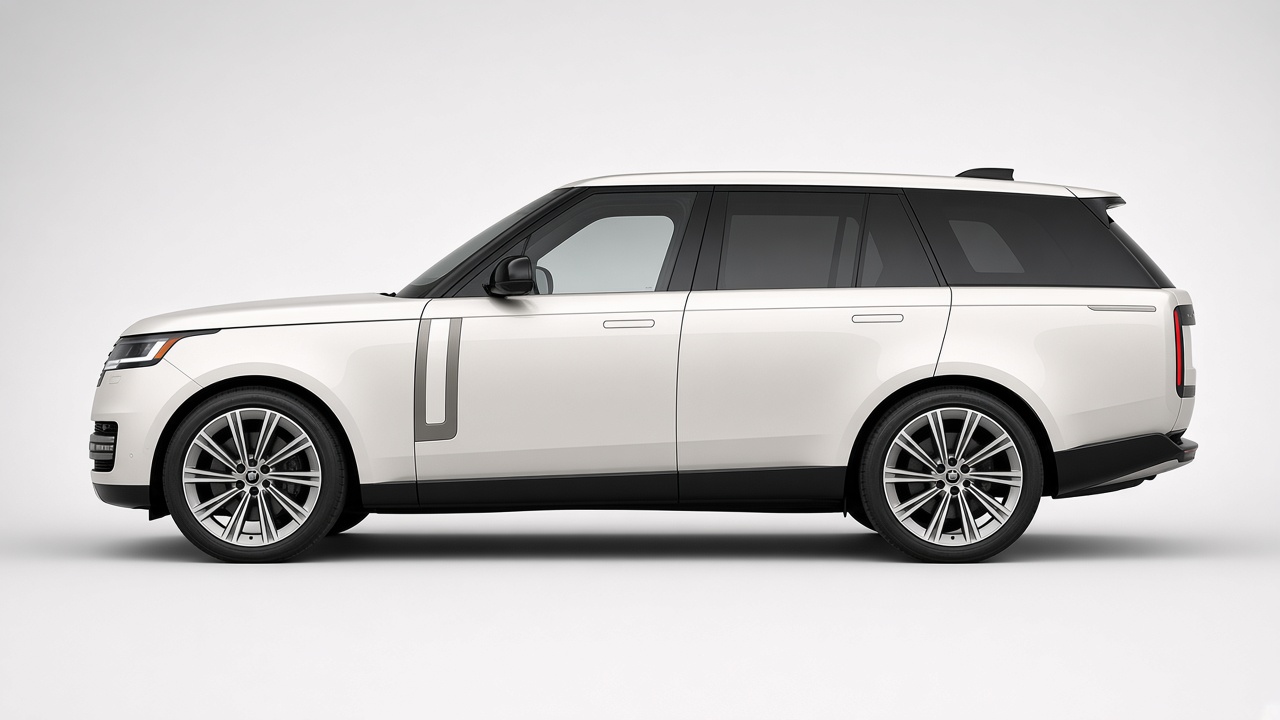
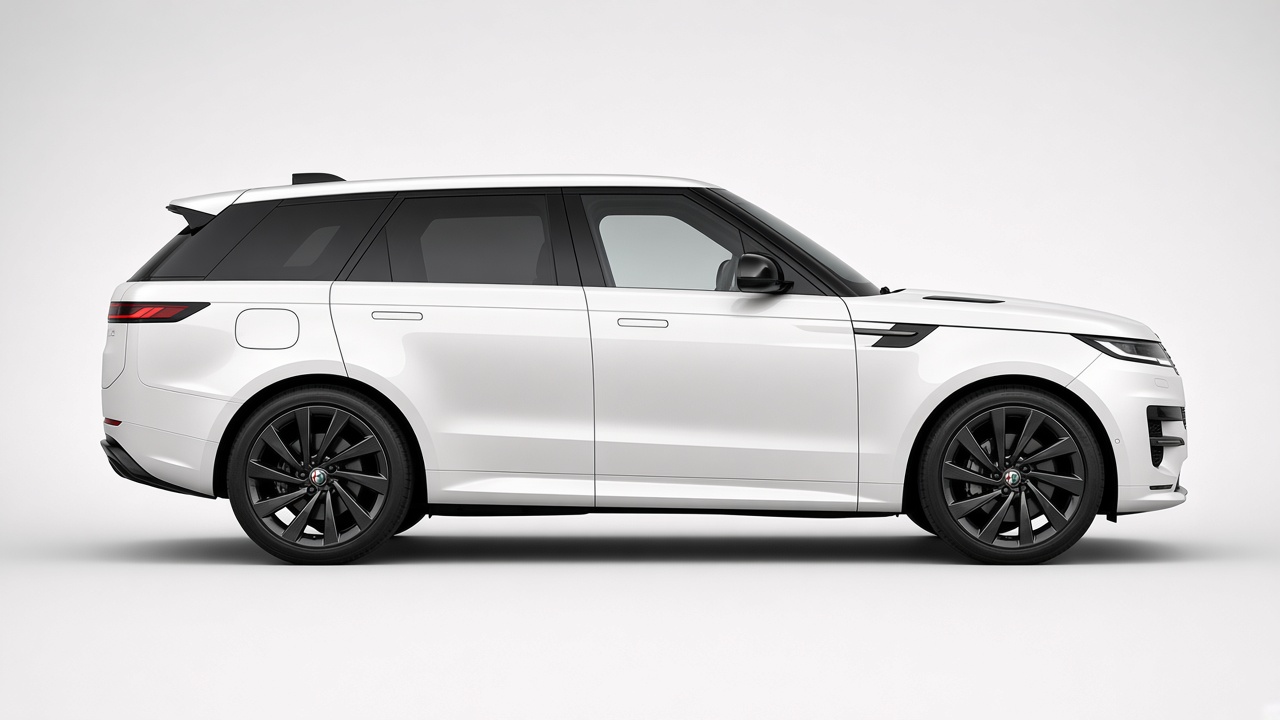
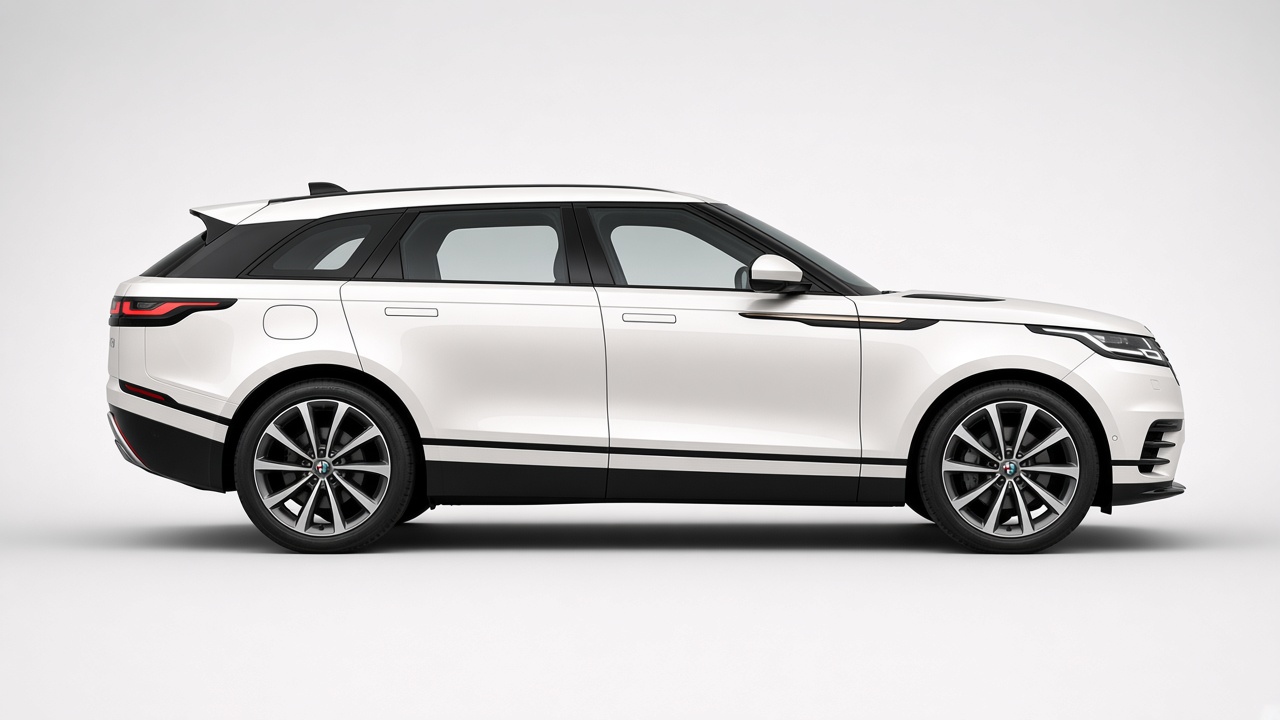
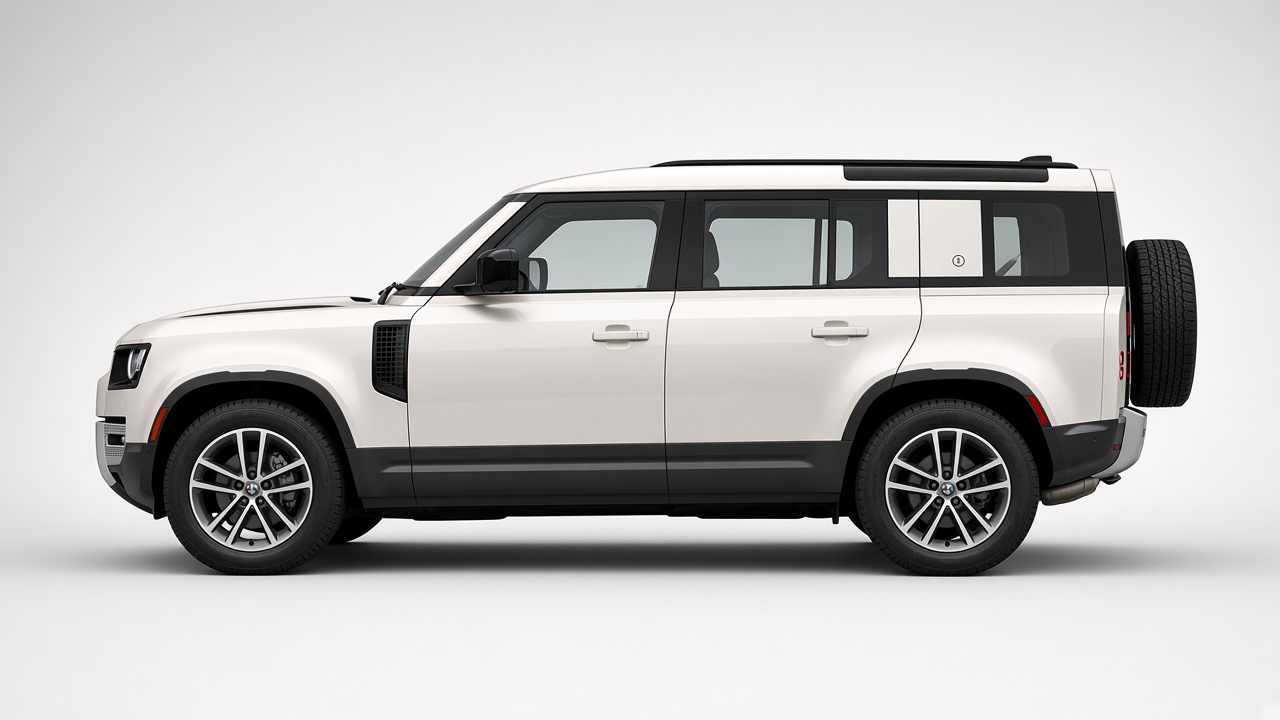
You’d probably know the Freelander name from the 1990s and 2000s, a successful Land Rover model that later spawned the Discovery Sport.
Freelander represented an important step change for Land Rover: moving away from the ladder frame four-wheel drives of Defender, Discovery and Range Rover, and providing something more car-like in the SUV space.
Not so rugged and less cumbersome. Still sporting some off-road capability, the Freelander expanded Land Rover’s appeal to a much wider audience.
What we are looking at here is not a direct successor to the original Freelander. It’s much larger, and has a massive focus on providing a premium player in Chery’s global portfolio.
Jaguar Land Rover owns the design, as well as the name. Chery Group owns the platform, powertrain, and other associated technology.
Freelander is now a brand unto itself, and the Freelander 8 is the first model that will come to Australia. It’s a large SUV that is similar in size and presence to a Nissan Patrol or Lexus LX.
There’s a plug-in hybrid powertrain with 460kW/662Nm, and a claimed electric driving range of 110km from the 34.1kWh LFP battery. The petrol side includes a 2.0-litre twin-turbocharged four-cylinder engine with 145kW, and runs through a four-speed dedicated hybrid transmission that can power the front wheels directly.
Parts of this powertrain will be shared with other Chery Group vehicles, but the platform (with four-wheel independent dual-chamber air suspension all-round) is specific to Freelander.
This is a different powertrain to what is available in China, where the Freelander is priced from AUD$62,000. There, it’s a range-extender electric powertrain with higher outputs and a larger EV-only driving range. It’s also got more off-road hardware, which leaves our Australian one feeling a little watered down.
There are three rows of seating inside, loads of equipment, and some features you normally only see on very high-end cars. How does it stack up?


What is the Freelander 8 like to drive?
Our first test drive of the Freelander 8 – over in China during Chery’s Global User Summit extravaganza – was short. Only allowed to drive on two pre-set courses around witches hats in a large carpark, we got a short but illuminating first taste of what this big hybrid bopper can bring to the Australian market.
Firstly, it feels refined and premium. This might sound like lip service, but what I am referring to is a level of engineering decorum here that is not always evident on so-called ‘premium cars’.
This comes from the perceived build quality and attention to detail throughout the car, but also from the driving experience. This is likely going to be a heavy vehicle, around 2.8 tonnes based on what we were told.
A vehicle of this weight can often feel stiff and unflattering over bumps, but this presented with good levels of absorption over the short and limited testing time we got. There is a pleasing waft through the air suspension, but we get the sense that this won’t be a vehicle that is agile and light on its feet.
It’s big and heavy at the end of the day, so don’t expect something sharp and darting. Rather, it’s big and potentially lumbering for some tastes.
The powertrain was smooth as well, with electric power rolling on nicely through the throttle.
The petrol engine is quiet, and the combination of petrol and electric power seems to be quite good. We didn’t get the chance to run the battery down and experience the vehicle as more of a hybrid, though.
Of course, this could change when we get the car on a proper test on Australian roads. So treat this as a positive vibes placeholder for now.


The Freelander 8 interior is a standout
That sense of quality is felt strongly on the inside, and puts the Freelander 8 in good stead for the Australian market.
Where Chery is undoubtedly strong in the mainstream arena for offering good value for money, moving into the premium space is a different question.
But this doesn’t feel like a tarted-up Tiggo 9. It’s a different kettle of fish, with improvements to the space, comfort, ergonomics, materials and overall quality.
The sheer size of the Freelander 8 – longer and wider than a 300 Series LandCruiser – yields a huge cabin.
It’s an interesting design, with a slimline display that runs the full 1.2-metre width of the cabin. This acts as your driver’s display, but also shows a whole lot of other driveline and infotainment services.
The centre console is blocky and practical, with the underslung storage space and wireless charging on top that we often see in China-sourced vehicles. Console storage is large, there’s room for bottles in the doors, and the seating is plenty comfortable.
In the second row, you’ve got quite a salubrious experience awaiting you. Two separate captain’s chairs are available here, which have all of the features you expect (and a few you didn’t). Sunblinds are electric and run through the same four-position button for the window. There’s a fridge that slides out (electrically, of course) of the centre console, and the seats can adjust into a zero-gravity style position with a legrest for ultimate comfort.
There is huge space available, and the captain’s chair arrangement means you can walk through to the third row.
What’s good though, and once again owing to the huge footprint of this car, there is a usable amount of boot space even when you’re in three-row mode. Three or four backpacks could go in here, or even a couple of suitcases standing up.
And of course, stowing the electric-folding third row yields an absolutely massive amount of boot space.
Will the Freelander 8 be off-road capable?
A little, but not massively. 20-inch and 21-inch wheels will likely be shod in highway-terrain rubber. Air suspension is height-adjustable, and Land Rover might have lent a bit of intellectual property to the off-road driving modes of the Freelander 8.
But where the range-extender variant has a rear axle reduction gear and locking differentials front and rear, our plug-in hybrid variant misses out. We weren’t able to test out the off-road traction control system meaningfully, but this model moves to an e-LSD at the rear and open diff at the front, with less torque available at the back axle.
There is a lot yet that we don’t know about the Freelander 8
Along with a more thorough test of the car in more varied circumstances, we are still waiting for many important details for the Australian market.
Price is the big one, which will allow the Freelander to find its position against competitive vehicles. I would argue that a Land Rover Defender or LandCruiser 300 Series would be too far out of reach, and something like a Denza B8 feels more natural as a competitor.
However, all of these options mentioned have off-road capability entwined into their DNA, whereas the Freelander is less aggressive in that space.
So, perhaps, it’s something like the Hyundai Palisade – which goes from $76,500-$92,400 plus on-road roads, that would be a good litmus test for the Freelander 8.
While price is no doubt important, so is the shape and service of the Freelander business in Australia. It’s early days in that regard, with only one full-time employee and positions open as the brand looks to expand.
How many dealership locations, how good those dealerships are, what the after-sales and parts experience is like for owners, plus details of the warranty and servicing regimen, will be crucial.
So while initial impressions of this car are good, there are many ingredients still required before this can be seen as a fruitful and promising venture.


| Key details: | 2027 Freelander 8 |
| Engine | 2.0-litre four-cylinder turbo petrol, Plug-in hybrid (PHEV) |
| Battery | 34.1kWh |
| Power | 460kW |
| Torque | 662Nm |
| Kerb weight | 2800kg (estimated) |
| Drive type | All-wheel drive |
| Transmission | Four-speed dedicated hybrid transmission |
| Length | 5118mm |
| Width | 2050mm |
| Height | 1926mm |
| Wheelbase | 3040mm |
| Specifications | 2027 Freelander 8 |
| Electric driving Range | 110km (claimed) |
| Peak DC charging | Approx 80kW (not yet disclosed) |
| DC charging time (20-80%) | Approx 20min (claimed) |
| Peak AC charging | 11kW |
The post 2027 Freelander 8 Review: British design, Chinese hybrid smarts appeared first on Drive.